
Commercial Photography 101: How to Create Images That Sell
A beautiful photograph might stop someone scrolling. A successful commercial photograph gives them a reason to care and a reason to act.
When photographers think about commercial work, we tend to think about the big things: impressive lighting, polished campaigns, recognizable brands, and perfect retouching. Those things can matter. But they are not where the job begins.
The job begins with a business problem. Someone needs to introduce a product, explain a service, earn a customer's trust, or make a brand more memorable. Photography is one of the tools they use to make that happen.
I've spent years working across photography, marketing, and creative strategy. The lesson that keeps coming back is simple: great commercial photography connects creative decisions to a clear purpose.
What is commercial photography?
Commercial photography is imagery created to support the goals of a business or organization. That might mean selling a product, explaining an offering, introducing a team, shaping a brand's identity, or helping customers picture themselves using something.
You'll find it in product listings, restaurant campaigns, corporate portraits, fashion advertising, websites, packaging, and social content. The work can be dramatic or understated, but it should be made for a specific audience and use.
The distinction isn't that every image must generate an immediate sale. It's that the image has a job to do.
Get noticed.
Give people a reason to stop, look, and become curious.
Explain the offer.
Show what the product is, how it works, or why it matters.
Build confidence.
Make the brand and its promises feel credible and consistent.
Move someone forward.
Support a click, inquiry, booking, or purchase.
Consider the difference between a controlled product photograph and a lifestyle campaign. Both can be commercially effective. They simply answer different questions for the person viewing them.

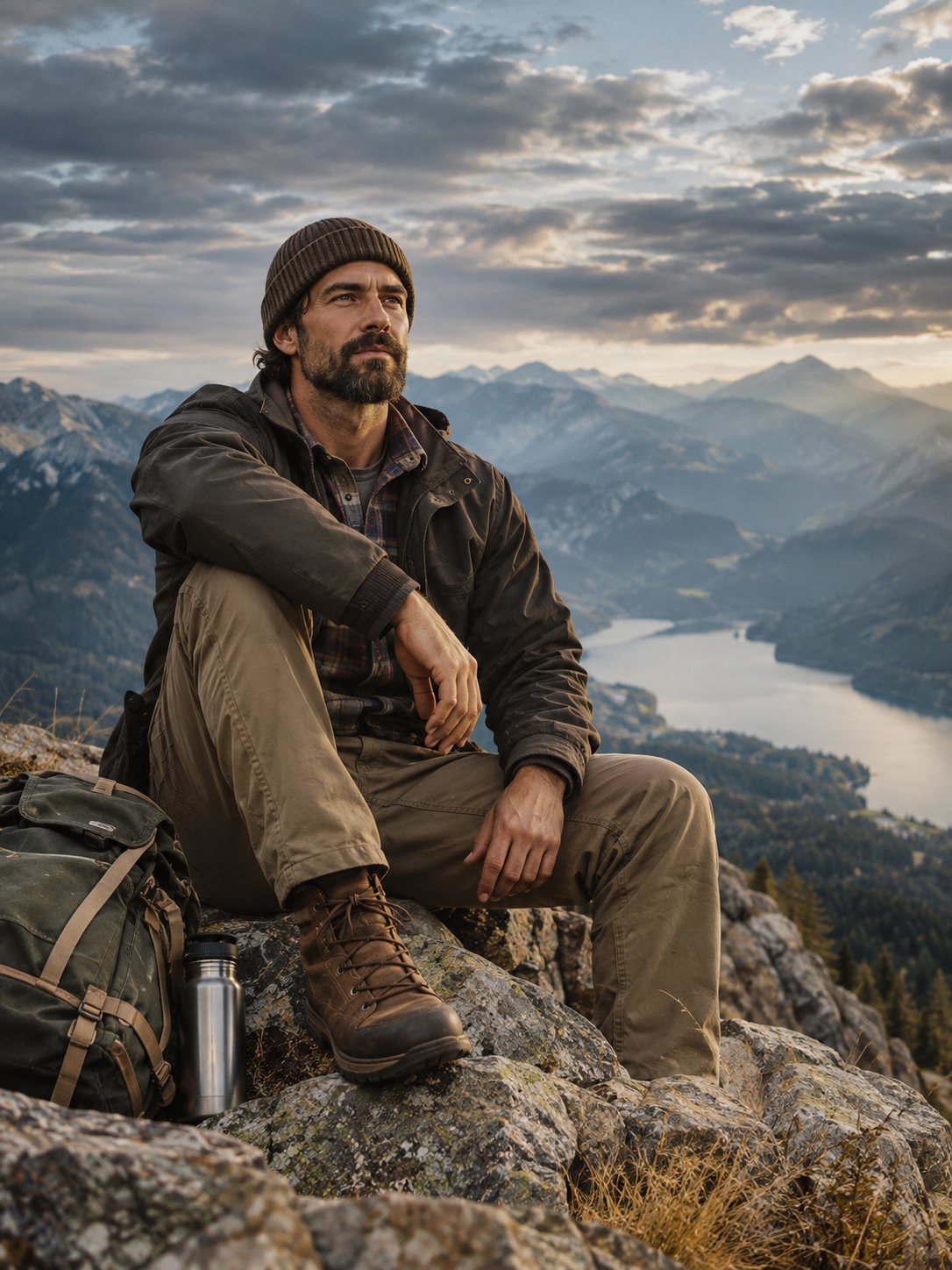
Illustrative campaign concepts created for this educational article, not commissioned client work.
Start with the brief, not the camera.
Let's say a small skincare brand hires you to photograph a new product. You could make one beautiful image and call it a day. Or you could ask where the photographs are going to live.
An image for the homepage needs to create a feeling. A product-page photograph needs to show the color, packaging, and details accurately. A vertical social ad might need room for copy and a composition that reads immediately on a phone.
Same product. Three images. Three business needs. The brief determines which photographs matter, how they should be composed, and what must be delivered.
Before I think about lenses or lighting, I want to understand the audience, the message, the channels, and what success looks like. That conversation makes the photography better and makes the shoot far more useful to the client.

Don't confuse perfection with value.
Early in my career, I thought professionalism meant delivering the technically perfect file, every time, no exceptions. Then I worked with brands that specifically requested JPEGs rather than RAW files.
Not because they didn't care about quality. They cared about getting approved, usable imagery into a fast-moving workflow. The images needed to be ready for an email, an online listing, or a campaign moving at a pace that didn't allow for days of post-production.
That doesn't make shooting JPEG the right choice for every job. RAW remains valuable when you need extensive editing latitude. The point is to choose the workflow that serves the brief instead of blindly following a rule.
Your client may value accurate color, consistent crops, a predictable turnaround, or simple asset delivery more than an extra hour of retouching nobody will notice. Find out what matters before you optimize for the wrong thing.
Understand the return on investment.
Imagine a brand invests $5,000 in a shoot. Later, the campaign brings in $50,000 in sales. It's tempting to say the photography delivered a tenfold return.
But the business has product costs, advertising expenses, fulfillment, and other overhead. And unless the results were measured carefully, we can't assume the photographs alone caused those sales.
That's why I encourage photographers to think about return on investment without making promises they can't prove. Ask what the client wants to improve: conversion rate, qualified inquiries, engagement, product understanding, or the useful life of their creative assets.
The goal is not to turn every photographer into a spreadsheet expert. It's to understand what the client stands to gain and design your work to support it.

Illustrative performance dashboard; figures shown are not actual client results.
Five questions to ask before your next shoot.
These are the questions that can turn an ordinary photo assignment into a real creative partnership:
- Who needs to see these photographs? Be specific about the customer, not just the client's brand.
- What should that person understand or feel? Define the message before designing the shot.
- Where will the images be used? Plan for web, print, email, advertising, and social crops where relevant.
- What does the team actually need delivered? Align on formats, retouching, turnaround, approvals, and licensing.
- How will you know the project worked? Agree on realistic measures, even if they're qualitative.
Make photographs people remember. Make work clients can use.
Commercial photography still requires taste, craft, and an eye for things other people overlook. None of that changes. The difference is learning to put those skills in service of something bigger than the photograph itself.
When you understand the client's problem, communicate clearly, and create work that helps move their business forward, you stop competing on pretty pictures alone. You become someone worth working with again.
That's the kind of creative career I think is worth building.