
Gear Guide | Buying Your First Camera? Ask These 3 Questions First
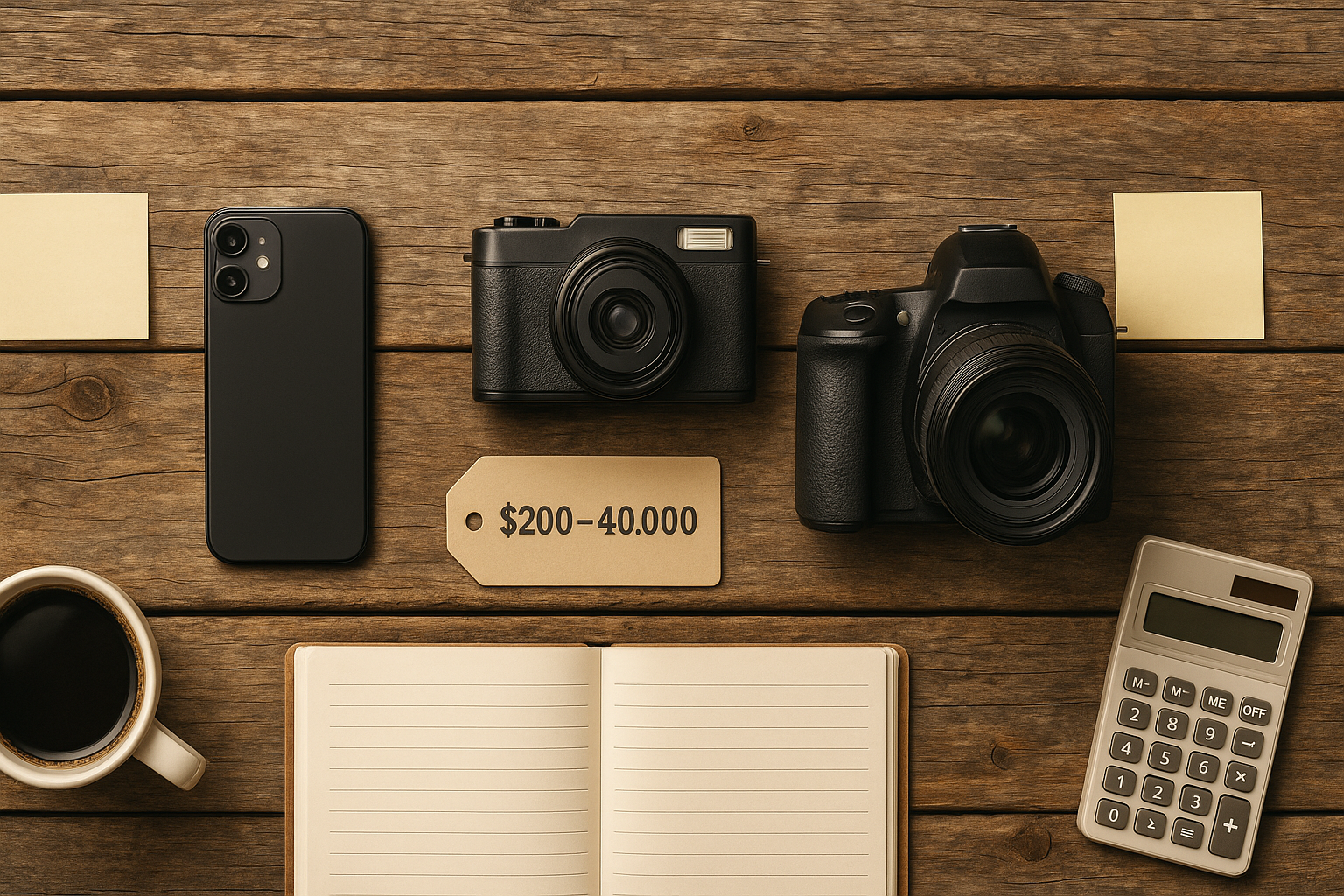
Which Camera Should You Buy? Ask These 3 Questions First.
I get this question constantly—through emails, DMs, and especially from friends and family who know I live and breathe photography:
“What camera should I buy?”
So, I wrote this post to save my sanity (and your time).
Because here’s the truth: There’s no universal answer.
There’s no magical sorting hat that drops a camera into your hands based on your personality. You have to make that decision—and ideally, make it an informed one.
But before we start comparing megapixels, brand names, or TikTok hype, I always ask the same three questions to anyone considering their first (or next) camera:
1. What Can You Actually Afford?
Start here.
Not with megapixels.
Not with YouTube reviews.
Not with whatever camera your favorite photographer happens to use.
Your budget.
And remember: you're probably not buying just a camera.
Depending on what you photograph, you may eventually need:
Lenses
Memory cards
Extra batteries
A camera bag
Storage and backup drives
Editing software
A tripod
Filters
Lighting or flashes
That $2,000 camera body can become a $3,000 or $4,000 photography ecosystem surprisingly quickly.
That's why I generally recommend setting a budget for the entire ecosystem, not just the camera body.
I'd rather see a new photographer buy a less expensive camera and leave room in the budget for a good lens than spend every available dollar on a camera body with nothing left for the equipment that actually helps them use it.
And don't underestimate used equipment.
My first camera was a used Canon Rebel XSi 450D that I bought at B&H Photo in New York City with only a few hundred dollars to my name.
It wasn't remotely close to the best camera available.
It was the camera I could afford, and it was enough to get me started.
That camera eventually led to a career I couldn't have imagined when I bought it.
You don't need the best equipment to begin.
You need equipment that lets you begin.
2. Will You Actually Carry It?
Camera specifications matter.
But they only matter when they're connected to something you actually need.
For example:
If you photograph indoor sports, low-light performance and autofocus may matter enormously.
If you photograph weddings professionally, features such as reliable autofocus, battery life, and redundant card storage may become important.
If you're primarily interested in portraits, you might care more about lens selection, autofocus, resolution, and how the camera performs with lighting equipment.
If you're creating video, completely different features may move to the top of your list.
And if you primarily want better photographs of your family, travels, dog, or suspiciously photogenic breakfast?
You probably don't need a camera capable of shooting a Hollywood production.
This is where photographers (myself included) can get into trouble.
We start buying equipment for the photographer we imagine ourselves becoming instead of the photographer we actually are.
Before paying for a feature, ask:
What problem does this solve for me?
If you don't have an answer, there's a good chance you're paying for a feature instead of a solution.
Camera companies are very good at making last year's perfectly capable equipment suddenly feel prehistoric.
Don't fall for it.
3. Buy for Your Level of Commitment
This question gets overlooked constantly.
You can buy the most technically impressive camera in the world, but it doesn't matter much if you hate carrying it.
Professional photography equipment gets heavy quickly.
Camera body.
24–70mm.
70–200mm.
Another lens because apparently we're incapable of leaving anything at home.
Extra batteries.
Laptop.
Chargers.
Tripod.
Suddenly your relaxing afternoon walk requires the cardiovascular endurance of a Himalayan expedition.
I've photographed work for major brands, written books about photography, and spent years teaching photographers.
And when I go on vacation?
The only camera that I bring with me is my iPhone.
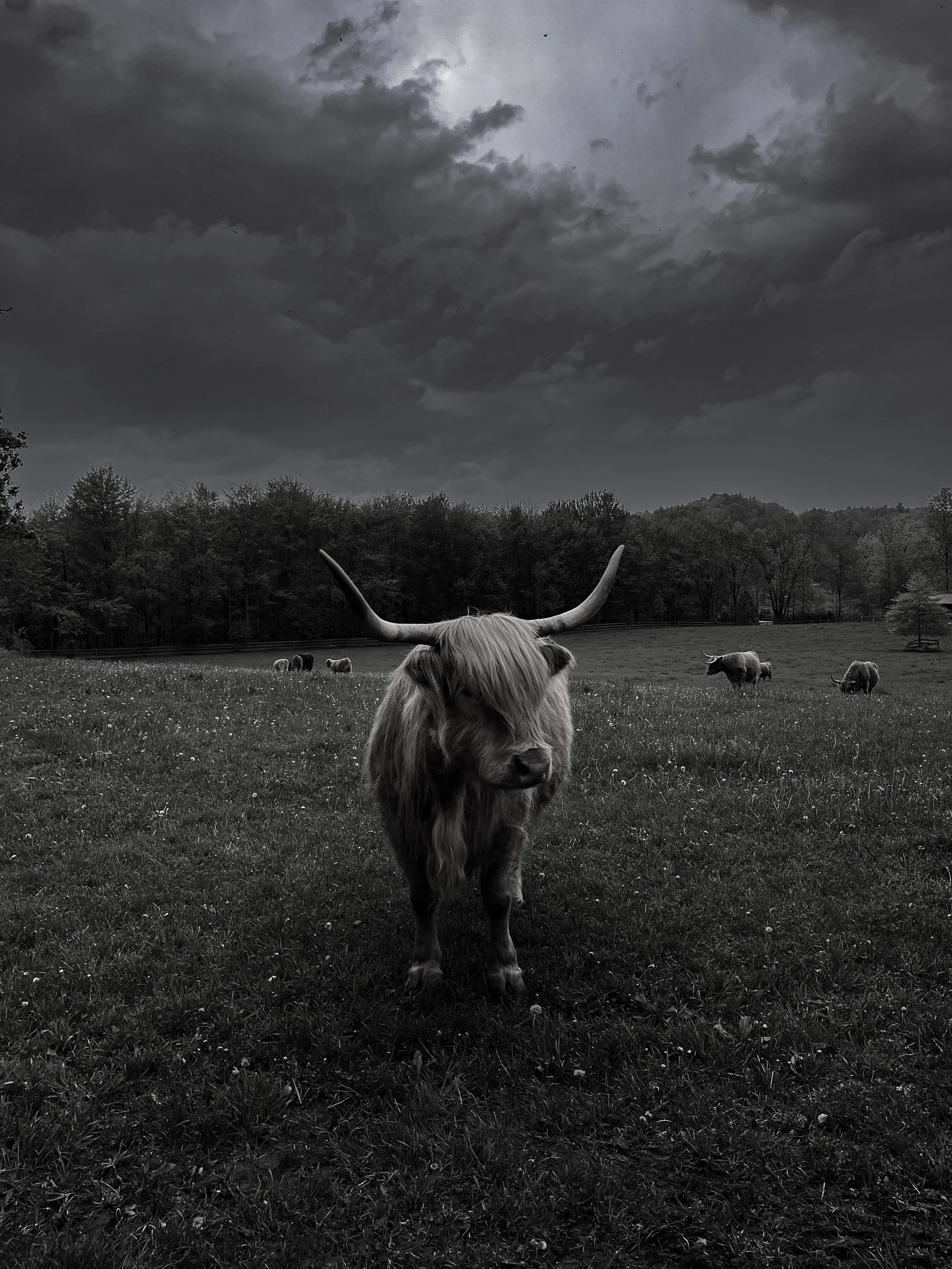
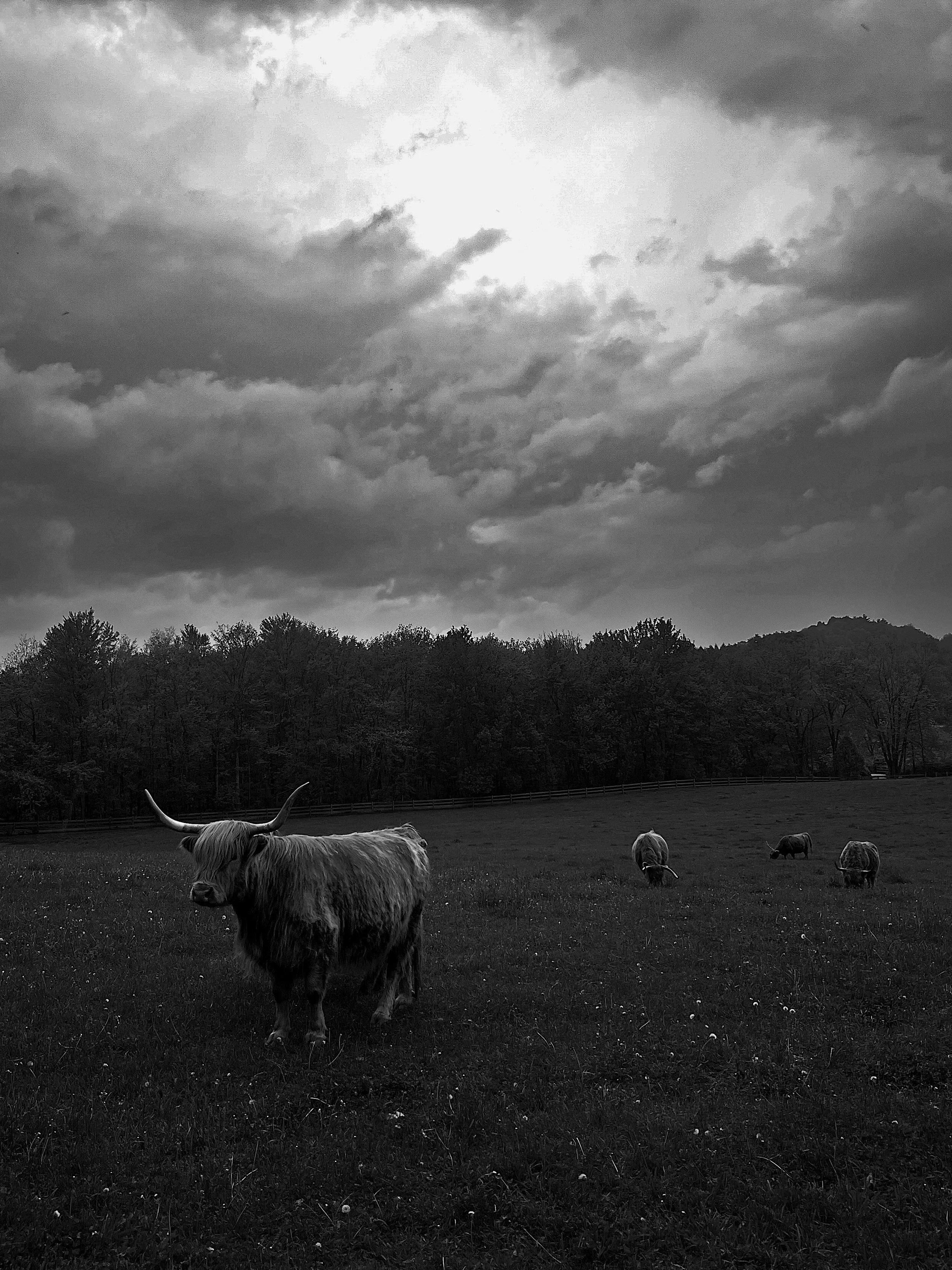
The photographs accompanying this article were taken with an iPhone 13 in May 2025.
Not because an iPhone is technically better than my professional cameras. (It isn't.) I used it because it was the camera I wanted to carry.
That's an important distinction.
Think honestly about how you want photography to fit into your life.
If you love carrying equipment and want maximum flexibility, a larger professional system might make sense.
If you want something small enough to bring everywhere, a compact mirrorless camera and lightweight lens may serve you better.
If you primarily want to document your life without thinking about equipment at all, the camera already in your pocket might be enough.
The best camera isn't necessarily the camera with the best specifications. Sometimes it's the camera you're actually willing to bring with you.



Bonus Tip: Try the Camera Before You Buy It
Camera specifications can tell you a lot, but they can't tell you whether you'll enjoy using the camera. Go to a reputable camera store and hold it. Look through the viewfinder. Navigate the menus. Try the autofocus. Move the controls. Put the lens you actually intend to use on the camera and feel how the combination balances in your hands.
Better yet, if your budget allows, rent the camera for a weekend before buying it.
A camera can look perfect on a comparison chart and annoy you every single time you pick it up. Photography equipment is surprisingly personal.
So, What Camera Should You Buy?