
5 Best Lenses for Portrait Photography
The right lens can completely change the way you photograph someone. The trick is knowing which one to reach for, and why.
If there's one thing I've learned over the years, it's that the lens you choose has an enormous influence on the photographs you create. It determines how much of the environment you can include, how far you need to stand from your subject, and how much control you have over your background.
More importantly, your lens influences the decisions you make as a photographer. A 35mm encourages you to get closer and include more of the story. An 85mm gives you room to concentrate on a person's expression. A 70–200mm lets you work from farther away and isolate details that might otherwise get lost.
None of those approaches is inherently better. They're simply different tools for creating different photographs.
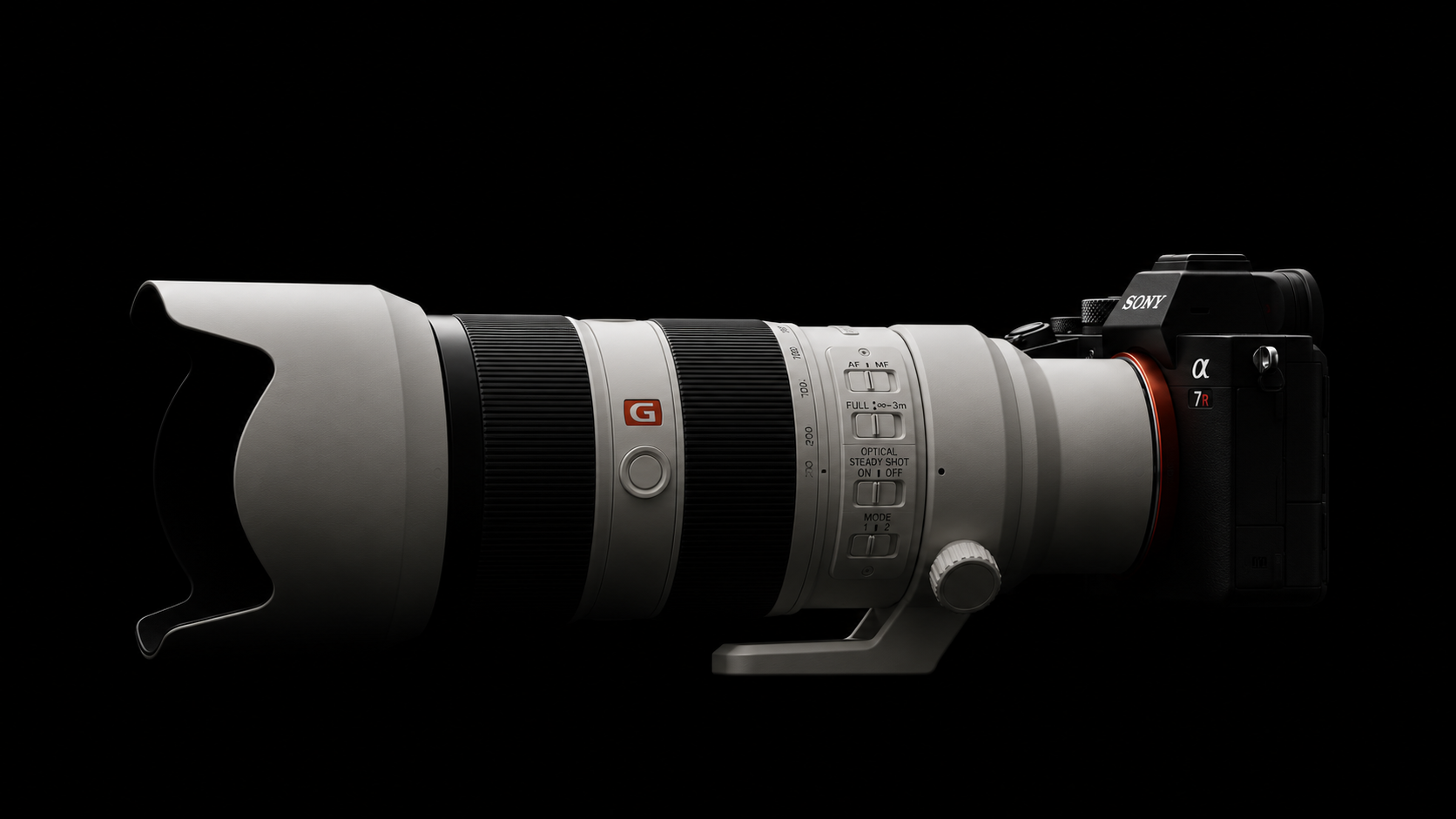
I've been asked countless times which lens someone should buy for portrait photography. My answer is usually another question: What kind of portraits do you want to create?
If you're photographing people in small apartments, your needs are going to be different from someone photographing athletes outdoors. If you're shooting environmental portraits, you might want to include the person's surroundings. If you're creating tightly framed beauty portraits, controlling perspective and background distractions becomes far more important.
That's why I wouldn't recommend purchasing a lens simply because another photographer uses it. Before you spend the money, think about how you actually work and what you need your equipment to accomplish.
With that in mind, here are five lenses that have earned a place in my photography kit and how I approach using each one.
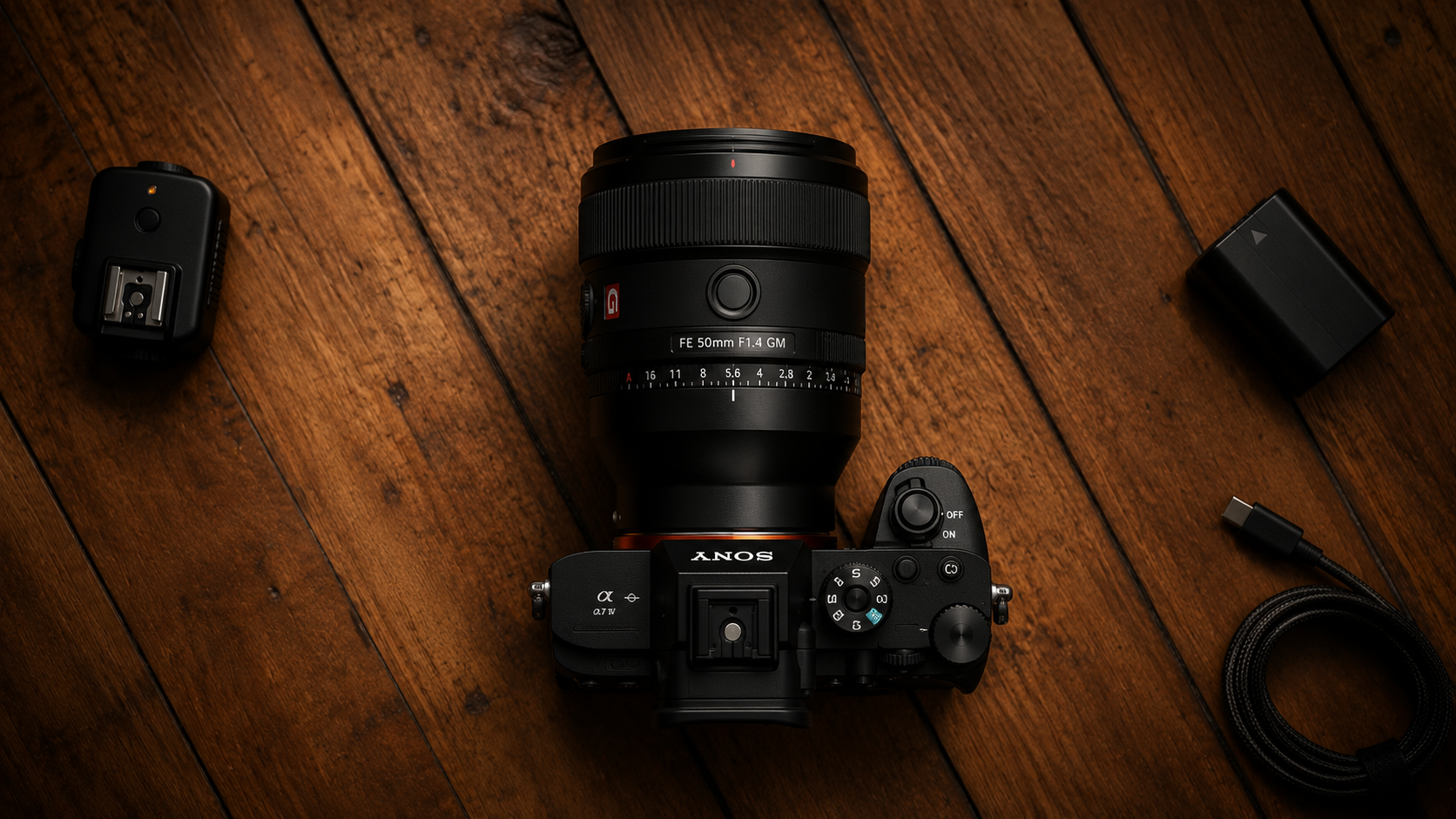
The Distance Matters as Much as the Lens.
Before we get into the individual focal lengths, there's something important to understand about portrait photography: perspective is determined by where you position your camera relative to your subject.
If you photograph someone's face from a few inches away with a wide-angle lens, their nose will appear larger relative to their ears. Move farther away and that relationship becomes more natural.
Longer lenses often produce what photographers call a more compressed portrait because we typically stand farther back to maintain similar framing. It's the change in camera distance that creates that perspective, not some magical property of the lens itself.
Once you understand that relationship, choosing focal lengths becomes far more intentional.
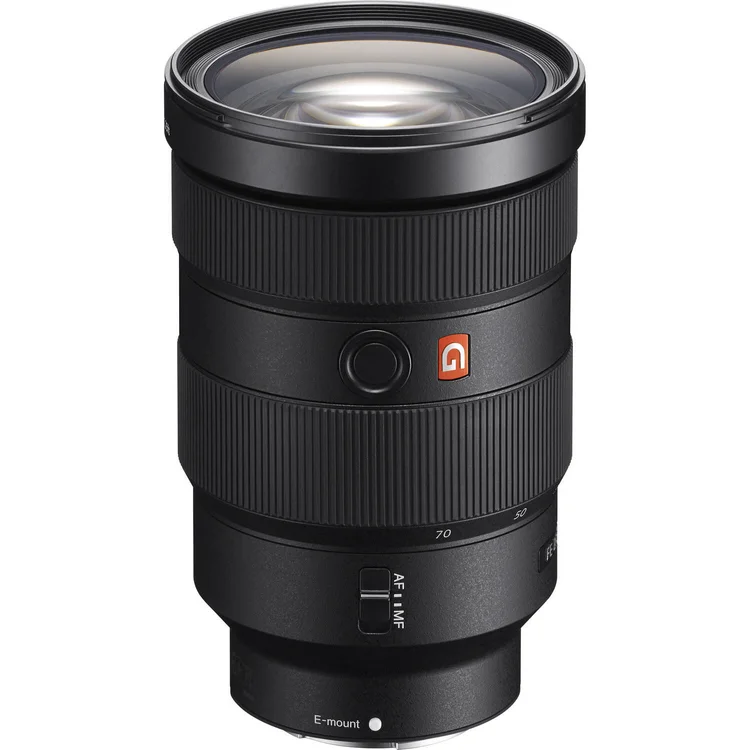
24–70mm
If I could only bring one lens to a portrait assignment, there's a good chance it would be a 24–70mm.
It's one of the most versatile lenses in my kit because I can move between entirely different compositions without changing lenses. At 24mm, I can include more of the environment. Around 35mm, I can create photographs that feel more connected to the space. At 70mm, I can move toward a tighter portrait that places more emphasis on the subject.
That flexibility is invaluable when you're working quickly, photographing events, creating commercial content, or working in locations where changing equipment isn't practical.
I personally prefer an f/2.8 version because it gives me more flexibility in low light and greater control over shallow depth of field. But don't overlook slower lenses if they fit your budget and the work you're doing.
If you're building your first professional kit and need to photograph a wide variety of subjects, a good standard zoom is one of the most practical investments you can make.
35mm
I love a 35mm lens when I want to photograph someone in a way that feels connected to their surroundings.
Think about photographing an artist in their studio, a business owner in their workshop, or a musician backstage. Sometimes the environment tells you just as much about the person as their expression.
A 35mm gives me the flexibility to include those details while keeping the subject at the center of the photograph. It's a focal length I particularly enjoy for editorial work, fashion, and environmental portraits.
The important thing to remember is that you need to be conscious of your working distance. Move too close to someone's face, and the perspective can exaggerate their facial features. That may be exactly what you want creatively, but it should be a deliberate decision.
Use a 35mm when the location helps tell the story. Don't get so close to someone's face that you accidentally change how they look.
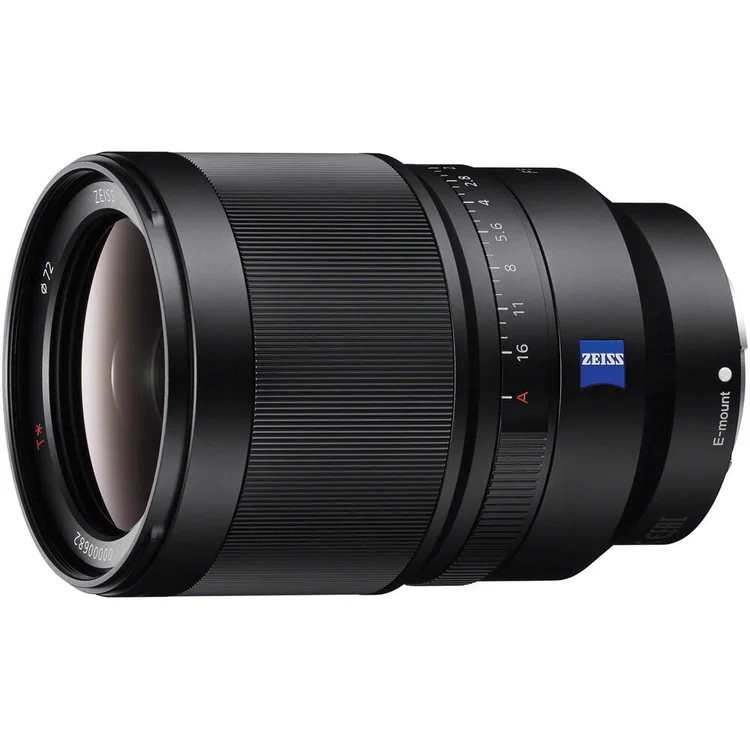
85mm
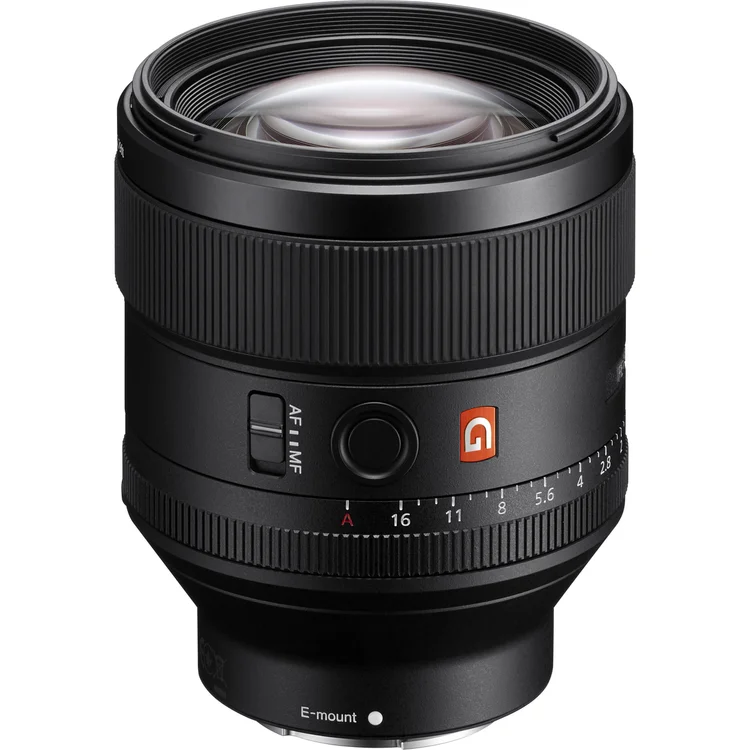
There's a reason so many portrait photographers love an 85mm lens. It's a fantastic focal length for photographing people.
The working distance is comfortable for both the photographer and the person being photographed. You can create beautiful head-and-shoulders portraits without having to put your camera directly in someone's face.
If you're photographing someone against a distracting background, a fast 85mm can also help separate them from their surroundings. That shallow depth of field creates a beautiful sense of isolation when used intentionally.
Personally, I love an 85mm for editorial portraits, headshots, and situations where I want the viewer to concentrate almost entirely on the person in the frame.
Just remember that shooting wide open isn't always the answer. If you're working at f/1.4 with someone's face turned at an angle, you can easily have one eye sharp while the other falls out of focus.
Start with an 85mm f/1.8 if that's what you can comfortably afford. Learn to control your working distance, light, and focus before worrying about an expensive f/1.4 lens.
70–200mm
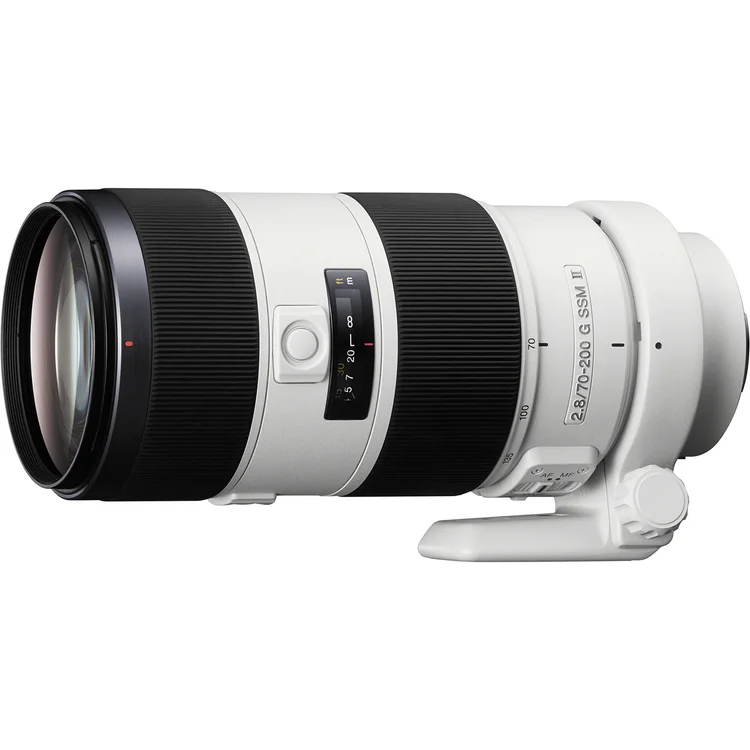
The 70–200mm has been one of my favorite lenses for creating dramatic portraits when I have enough room to work.
Longer focal lengths allow me to photograph subjects from farther away while maintaining tight compositions. That can be particularly useful on commercial assignments, outdoor productions, and fashion shoots where I want to isolate the subject from a busy background.
At the longer end of the range, the distance I typically work from also changes the perspective of the background relative to the subject. Distant elements can appear more prominent in the frame, which creates a distinctive visual relationship between the person and their surroundings.
There is a trade-off, though. A 70–200mm requires considerably more working space than a 35mm or 50mm lens. If you're photographing people in a small studio or apartment, you may find yourself physically unable to back up far enough to capture the composition you want.
The f/2.8 version provides an additional stop of light compared with an f/4 and more potential background separation at the same focal length and framing. But an f/4 can be a sensible choice if you shoot primarily in good light and want to save weight and money.
A 70–200mm is fantastic when you have the space for it. If most of your work happens in tight locations, don't buy one just because everyone else seems to own one.
Macro Lens
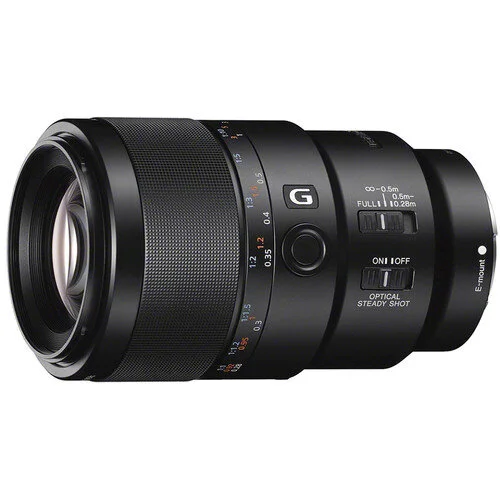
I think macro lenses are among the most underrated tools in a portrait photographer's kit.
Most people associate macro photography with insects, flowers, jewelry, and close-up details. And yes, they're excellent for those things. But a good macro lens can also produce exceptionally sharp portraits.
A 90mm macro, for example, gives you a focal length that's very comfortable for headshots and tightly framed portraits. It also allows you to move much closer to small details than a conventional portrait lens when the assignment calls for it.
That's valuable when you're photographing hands, clothing textures, jewelry, makeup, or small details that help tell a larger story.
One thing to consider is that macro lenses are often extremely sharp. That can reveal a great deal of skin texture, particularly when you're working with hard directional light. Whether that's an advantage or disadvantage depends on the photograph you're trying to create.
If you regularly photograph portraits and detailed product imagery, a 90mm macro can serve more than one purpose in your kit. That's the kind of versatility I appreciate.
The Photograph Is What Matters.
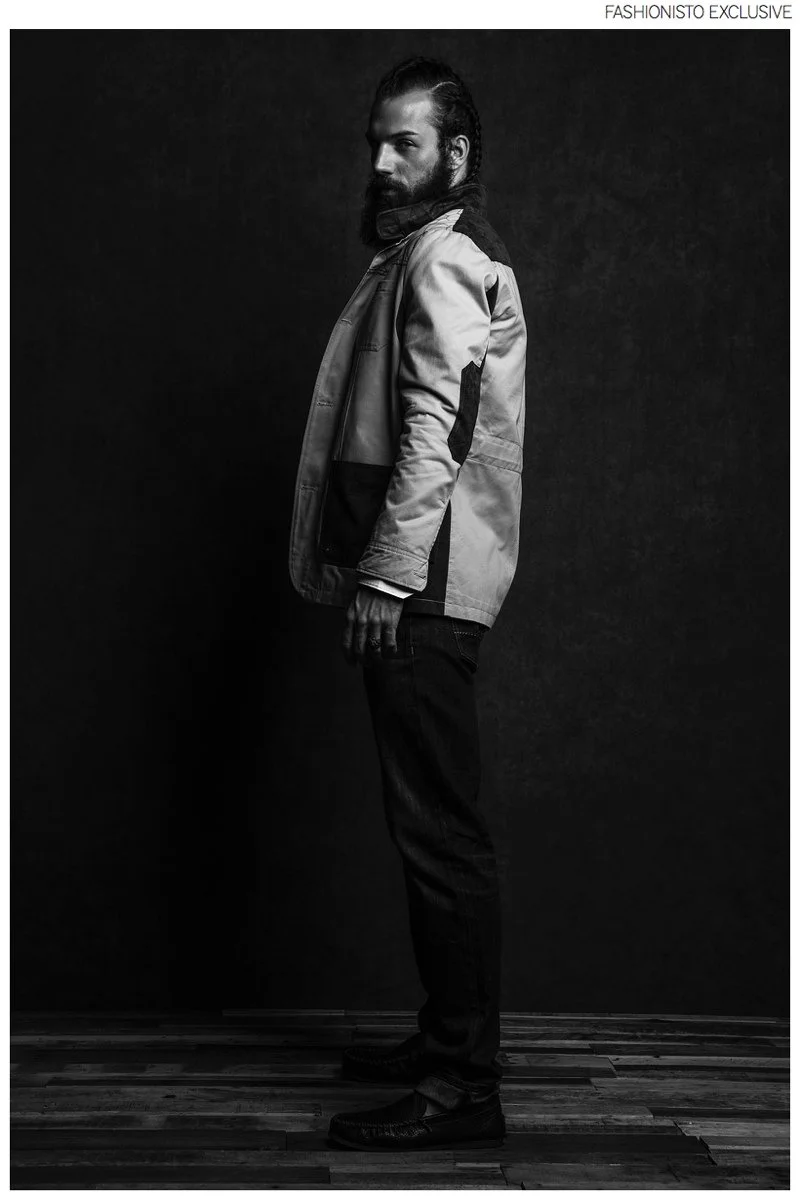
All of this technical information is valuable, but it's only useful if it helps you make better photographs. What I'm ultimately looking for in a portrait is a connection with the person I'm photographing, a composition that supports the story, and lighting that brings everything together.
Your lens is one part of that process, but it should never become more important than the person standing in front of your camera.
Buy What You Need. Master What You Own.
Before you start filling an online shopping cart with thousands of dollars' worth of camera equipment, I want you to remember something: I didn't build my career with an expensive collection of lenses.
I started with what I could afford. I learned how to use it, made mistakes, improved my work, and invested in additional equipment as my business and assignments demanded it.
The lenses I've shared here took years to acquire. And I can tell you from experience that I've made some incredible photographs with third-party lenses and equipment that cost a fraction of what professional gear sells for.
There's nothing wrong with investing in quality equipment, especially when it helps you produce better work or serve your clients more effectively. But don't confuse buying equipment with developing your craft.
If all you can afford is one good lens, learn to make extraordinary photographs with that lens. Understand how it renders perspective, how it behaves in different lighting conditions, and how to create the composition you want.
Then, when you've found something your equipment genuinely can't accomplish, you'll know exactly what to buy next.
Until then, keep photographing. That's where the real progress happens.
Equipment note: The links above are retained from the original version of this guide and may reference older lens models or listings. Some may be affiliate links. Always verify the model, mount compatibility, and current price before purchasing.