
5 Photography Accessories I Regret Buying
I've spent a small fortune on photography equipment over the years. Some of it has earned its place in my camera bag. Some of it has made my job considerably easier. And some of it probably deserved to go straight into the trash.
After more than fifteen years working as a photographer, I've learned that expensive doesn't always mean better, and cheap doesn't always mean bad.
I've made fantastic photographs with inexpensive equipment. I've also made some remarkably bad purchases that looked incredible in advertisements and turned out to be practically useless.
But somewhere along the way, I started becoming more selective about the things I was willing to save money on.
If a cheap accessory breaks and mildly inconveniences me, that's one thing. If it can drop a camera, destroy a light, interrupt a client assignment, or create a safety problem, I'd rather spend more money on something I actually trust.
Here are five purchases that taught me that lesson the hard way.
Before we get into this, I want to make something clear. I'm not suggesting that every photographer needs to buy the most expensive version of every piece of equipment.
That's ridiculous.
There's plenty of affordable gear that works beautifully, and there are photographers creating extraordinary images with equipment that costs a fraction of what other people spend.
The difference is knowing when you can compromise and when a failure could create a significantly bigger problem than the money you saved.
These five purchases helped me figure that out.
Cheap Shoulder Rigs.
The Flashpoint DSLR Shoulder Rig II is more than likely why I have trust issues as a human being.
Within an hour of opening the box, I had pieces scattered across the studio because the thing came apart that quickly.
Not exactly the confidence-inspiring first impression you're looking for from something designed to support thousands of dollars in camera equipment.

I wouldn't have trusted a GoPro on my particular rig, much less a DSLR or mirrorless camera worth several thousand dollars.
A shoulder rig has one very important job: stabilize your camera while keeping everything securely attached.
If the hardware constantly loosens, components don't fit properly, or the entire setup feels like it's trying to disassemble itself, you're not saving money.
You're just hoping the problem doesn't become considerably more expensive.
Needless to say, my ownership experience was brief.
If a piece of equipment is responsible for keeping your camera off the floor, prioritize reliable hardware, secure connections, compatible mounting systems, and a design that can properly support the weight of your setup.
Cheap Light Stands.
At some point, I really should have learned this lesson only once.
I've purchased my fair share of inexpensive light stands over the years, and more than a few have found creative ways to disappoint me.
A light stand isn't exactly the most exciting piece of photography equipment you can buy. Nobody looks at your portfolio and asks what brand of stand you're using.
But it serves one incredibly important purpose: keeping your expensive lighting equipment from smashing into the ground.
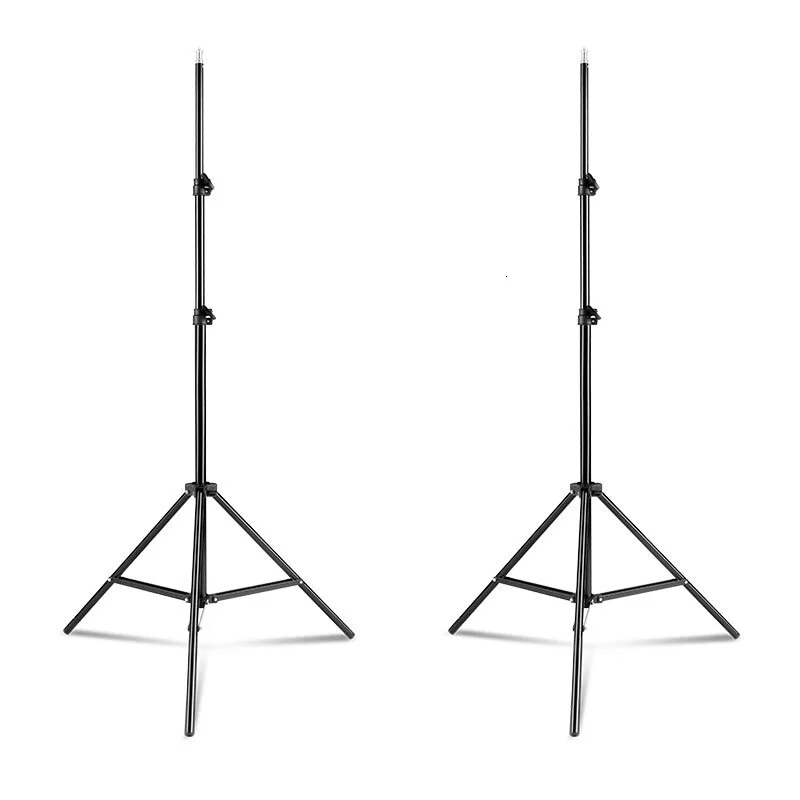
I've had stands loosen, slip, and generally make me wonder whether the money I saved was worth the anxiety of having a strobe suspended overhead.
The problem with unreliable equipment is that it rarely fails at a convenient time.
It happens when your subject is ready, your client is watching, and you've already spent twenty minutes getting the light exactly where you want it.
Replacing a broken stand might be inexpensive. Replacing the light it was supposed to support is another story.
That's a lesson worth learning before the insurance company gets involved.
Buy stands appropriate for the actual weight, height, and configuration of your equipment. Pay attention to the load rating, construction, footprint, and stability of the complete setup. Use appropriate ballast when necessary, and never assume a lightweight travel stand is suitable for a heavy studio strobe.
Cheap Gaffer Tape.
I don't think there's anything quite as frustrating as cheap gaffer tape.
Seriously. Why even bother buying it?
It doesn't stick. It doesn't hold. And somehow, it always decides to fail exactly when you need it most.
You'd probably have better luck using a wet napkin.
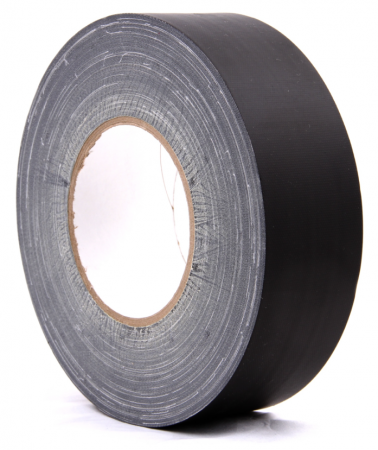
Good gaffer tape is boring. It's not glamorous. Nobody gets particularly excited when you pull a fresh roll out of your camera bag.
But when you're working on a production and need to temporarily secure a cable, mark a position, or keep something from moving, you want tape that does what it's supposed to do.
The difference between decent tape and terrible tape becomes painfully obvious when you spend half your shoot pressing down strips that keep peeling off the floor.
And the worst part?
You probably saved six dollars.
Congratulations. What a bargain.
Buy professional tape that's appropriate for the surface and job. Look for dependable adhesion and clean removal, and test delicate surfaces first. Gaffer tape is useful for temporary production tasks, but it isn't a substitute for proper rigging or cable protection where safety is involved.
Cheap Lighting Modifiers.
This is probably my favorite story to tell now that enough time has passed.
Years ago, I purchased a Photek Softlighter II after watching another photographer use one on set.
Seemed like a reasonable investment at the time.
Then, while teaching a photography class, the modifier I was using caught on fire.
Yes. Actually on fire.

There I was, standing in front of 40 or 50 students, suddenly far more concerned with extinguishing a lighting modifier than teaching anyone how to create a beautiful portrait.
Thankfully, nobody was injured.
Other than my pride, of course.
It's the kind of experience that's funny to talk about years later.
It's considerably less entertaining when you're in front of a room full of people wondering whether your photography demonstration has turned into a fire safety seminar.
I can't tell you that price alone caused what happened or that every modifier of the same model would behave the same way. Without establishing the specific cause, that wouldn't be fair.
What I can tell you is that the experience changed how seriously I evaluated lighting equipment.
Not every modifier is compatible with every light source. Materials, construction, heat limitations, and manufacturer instructions matter considerably more than we sometimes give them credit for.
Especially when you're using lighting equipment that produces significant heat, it's worth taking the time to understand the operating limitations before putting everything together.
Because as entertaining as that story might be now, I have absolutely no interest in repeating it.
Never assume a modifier is compatible with a light simply because it physically attaches. Check manufacturer instructions, heat limitations, required clearances, and the light sources the modifier is designed to accommodate. A premium brand name does not replace proper compatibility or safe operation.
Cheap or Kitschy Camera Straps.
I've owned more camera straps than I care to admit.
Some looked cool. Some seemed practical. And some were very clearly designed by people who'd never spent an entire day carrying a camera.
Out of the dozen or so straps I've owned, only two really stood the test of time.
One of them was made by Vulture Equipment Works, and somehow that strap actually outlasted the company that made it.
You made a great product, William.
As for the others? They've probably all made their way to a New York City landfill by now.
If a camera strap can outlive the company that made it, I'd say I got my money's worth.
A camera strap has a very simple job: keep your camera secure while making it comfortable enough to carry for hours.
That means strong attachment points, reliable hardware, good weight distribution, and construction that doesn't leave you wondering whether your camera is going to detach at the least convenient moment.
I don't care how cool a strap looks if it feels terrible after an hour.
And if the hardware feels questionable with the weight of a camera hanging from it, I'm not interested.
Comfort matters. Reliability matters. And so does having something you actually enjoy using.
There's no reason an everyday camera strap should be a disposable purchase.
Prioritize dependable attachment hardware, comfortable weight distribution, durable materials, and compatibility with your camera system. Inspect connectors and wear points regularly. A beautiful strap isn't particularly useful if you can't trust it to support your equipment.
Three Questions I Ask Before Buying Gear Today.
There are plenty of situations where buying less expensive equipment makes sense. I'm all for saving money when the affordable option does the job without introducing unnecessary problems.
But before buying another accessory, I try to consider what happens if it fails.
These three questions have helped me avoid more than a few questionable purchases.
What Happens If It Breaks?
Is it a minor inconvenience, or could it damage equipment, interrupt an assignment, or create a safety problem?
Can I Actually Depend on It?
Look beyond the price tag. Consider build quality, compatibility, manufacturer guidance, and the demands of your particular setup.
Will I Have to Buy It Twice?
The cheapest purchase isn't always the least expensive one. Sometimes a more dependable product costs less over its lifetime.
Buy Better. Buy Less. Make More Photographs.
Not every piece of photography equipment needs to be expensive.
There are plenty of opportunities to save money, improvise, or purchase used equipment without compromising the quality of the work you're trying to create.
In fact, I think learning to create exceptional images with the equipment you already own is one of the most valuable skills you can develop as a photographer.
But some purchases deserve a little more consideration.
If an inexpensive accessory can waste your time, put expensive equipment at risk, or create a safety problem, the money you save might not be worth it.
I've learned these lessons through years of buying equipment, making mistakes, and occasionally wondering why I didn't just spend a little more money the first time.
Hopefully, you can learn something from my mistakes without having to repeat all of them.
Buy what you need. Take care of what you own. Invest in reliability where it matters.
And spend a little less time shopping for gear and a little more time making photographs.
Your portfolio will thank you.