
A Few Words on Faith
There was a time when I thought I had everything I needed to be happy. A successful career, a photography business I loved, an apartment overlooking the Hudson River, and the freedom to travel to places I'd once only dreamed of visiting. From the outside, it probably looked like I'd figured life out. For a while, I believed that too.
But the view from my apartment couldn't tell you how I felt when I was alone. Neither could the photographs from my trips, the books I'd written, or the things I'd accomplished. I had become very good at creating a life that looked successful without understanding why it still felt so empty.
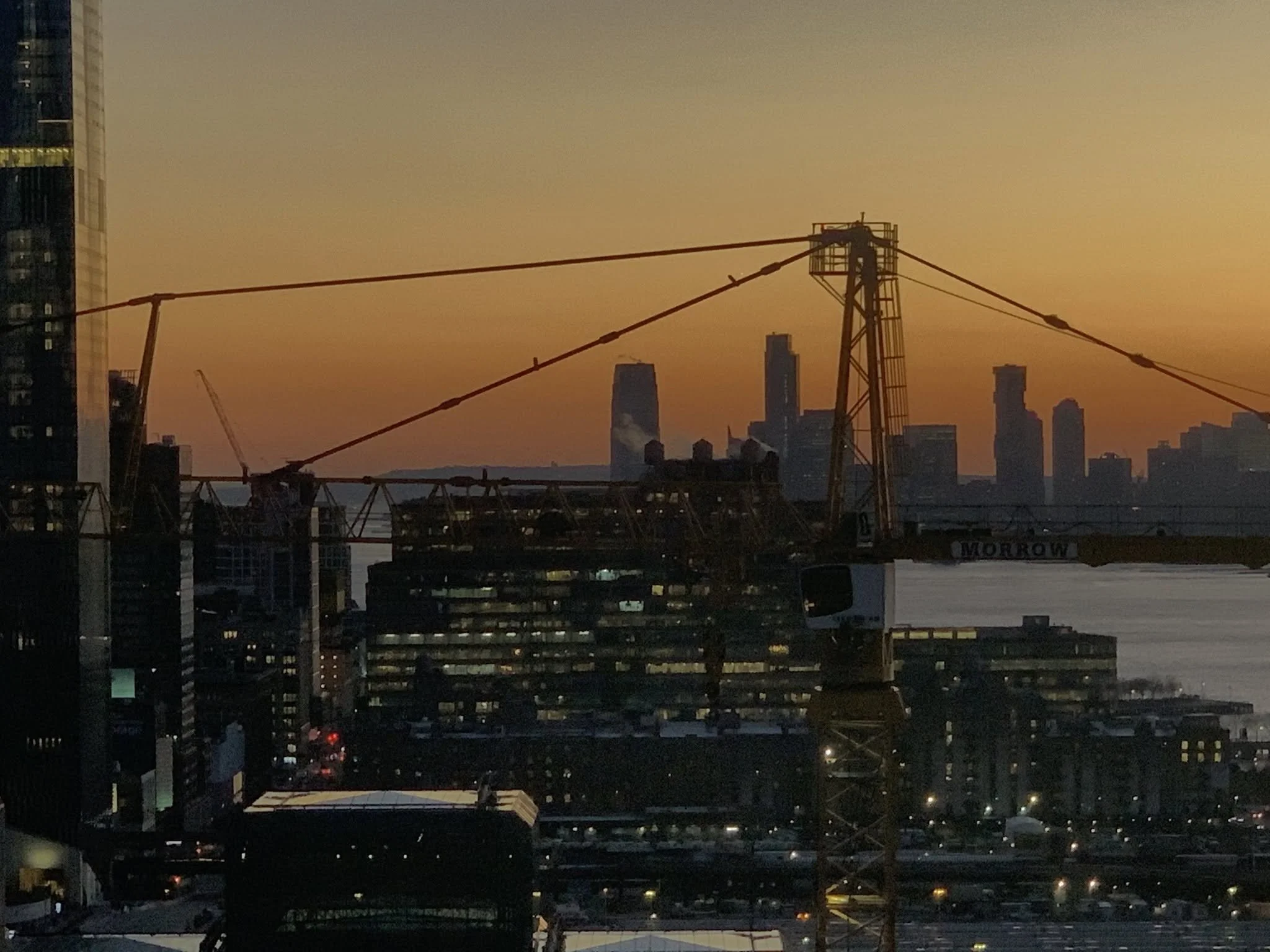
I'm sharing this because I know what it's like to be surrounded by things you once wanted and still feel like something is missing. I also know what it's like to lose things you thought you couldn't live without. And if you're reading this in the middle of a difficult season, I hope my story offers more than another reminder to think positively. I hope it gives you a reason to believe your story isn't over.
The Life I Thought Would Be Enough.
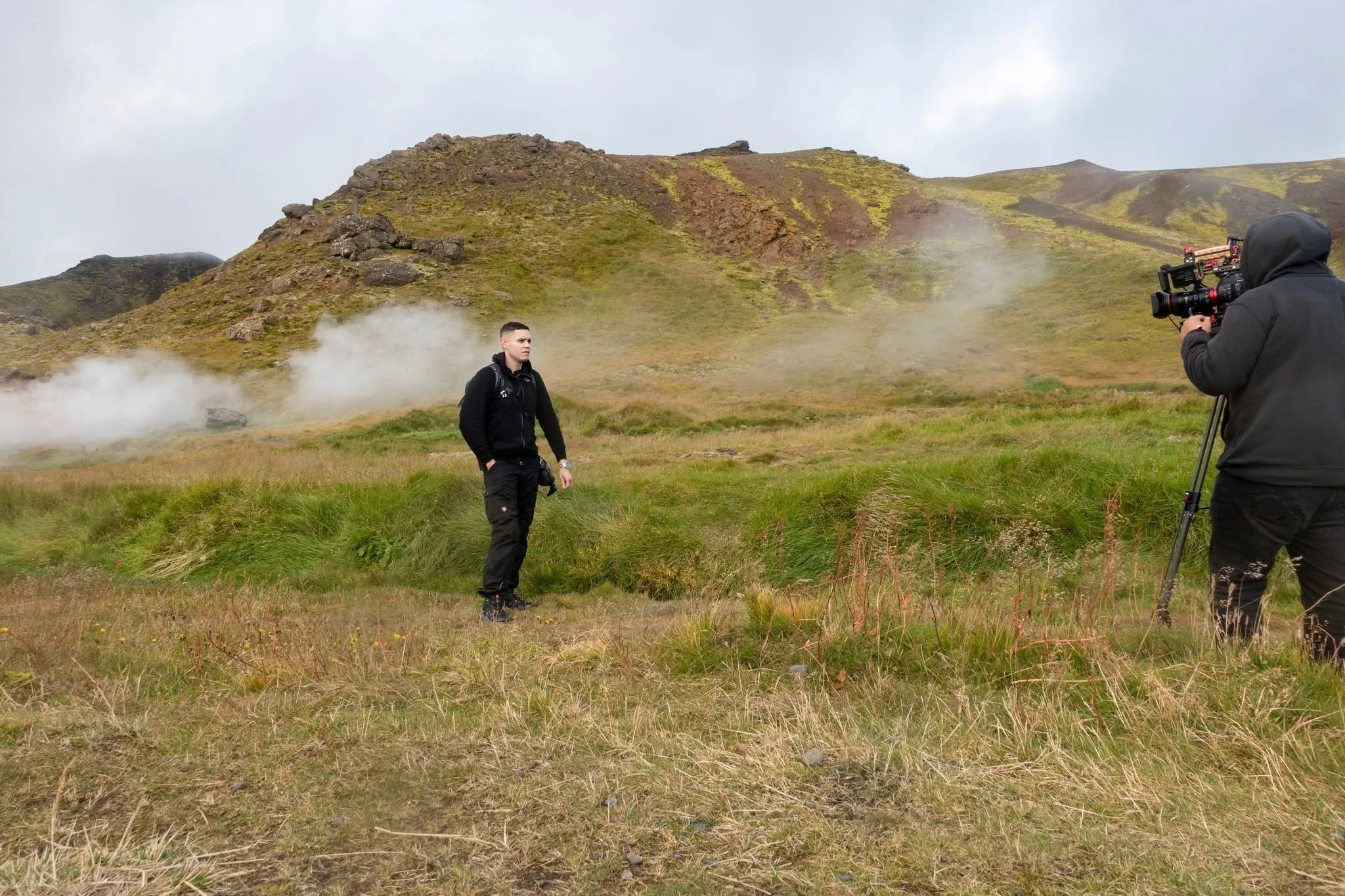
When I picked up a camera in 2010, I had no idea how much photography would change my life. I threw myself into learning the craft, building a business, and saying yes to opportunities that took me farther than I ever expected. By my late twenties, I'd stood on a stage with 35,000 people tuning in, written two Amazon bestsellers, and had my work featured internationally. Those were real accomplishments, and I'm grateful for them. But somewhere along the way, I'd started treating achievement like proof that my life mattered.
I was living in New York City, traveling the world, meeting fascinating people, and enjoying a lifestyle that my younger self would have considered extraordinary. And I kept telling myself that the next opportunity would be the one that finally made everything feel complete. A bigger assignment. Another country. Another milestone. Another experience worth sharing. There was always something else to chase, and I rarely stopped long enough to ask why I needed so much from it.
I remember flying home from Japan and feeling deeply depressed. It wasn't because the trip had gone badly; it was because I'd gotten to do something remarkable and still felt hollow. The world suddenly seemed smaller than it used to, and I couldn't understand why getting more of what I wanted wasn't making me happier. I've thought about that flight many times since. It was one of the first moments I couldn't easily explain away what I was feeling.

There's nothing inherently wrong with ambition, money, travel, or making something you're proud of. I still love photography. I still want to create meaningful work. But those things make terrible foundations for your identity because they can never carry all the weight we place on them. I had confused being admired with being known, being busy with having purpose, and being successful with being at peace.
When Everything Fell Apart.
In late 2019, my marriage ended. I won't share the details of that chapter because they involve another person whose story isn't mine to tell. I wish them well. What I can say is that I had to confront the consequences of the life I'd been living, and I wasn't prepared for how deeply that would shake me. So much of my identity had been tied to who I thought I was, what I owned, and the future I assumed was waiting for me. When that future disappeared, I didn't know who I was without it.
I was carrying shame, regret, and a loneliness that felt impossible to explain. Instead of confronting it, I did what I'd always done: I looked for something that would distract me. I surrounded myself with people who encouraged the wrong decisions, drank to numb what I didn't want to feel, and tried to outrun the consequences of choices I needed to take responsibility for. It didn't help. It made an already painful season worse.
One of the most difficult things I've learned is that you can be hurting and still be responsible for the hurt you've caused. I wasn't simply an innocent bystander in everything that had happened. I had to own my failures without making them someone else's fault. At the same time, I didn't know how to move forward without allowing those failures to define the rest of my life. I was exhausted from trying to appear strong when I felt like I was coming apart.
If you've ever reached a point where the future you imagined is suddenly gone, you know how disorienting that can be. The silence after everything falls apart can be deafening. People see the job you're still doing, the pictures you still post, and the smile you manage to put on in public. They don't necessarily see what happens when you get home. That was the life I was living.
God, If You're Real, I Need You.
In one of my darkest moments, I finally prayed. It wasn't eloquent, and there was nothing particularly religious about how I said it. I was simply a man who had run out of answers, asking God for help. I remember saying, “God, if You're real, I need You.” That was about all I had left to offer.
I didn't hear an audible voice. My circumstances didn't suddenly improve, and the damage I'd done wasn't magically undone. But I experienced a peace I hadn't known in a long time. It was enough to make me stop pretending I could fix everything on my own and begin asking whether the life I'd been building had been pointed in the wrong direction all along.
Around that time, I reached out to my friend Rebekah, who has always been open about her faith in Jesus. I asked for guidance, and she encouraged me to have faith that God would meet me where I was. For years, I'd quietly judged that kind of advice as wishful thinking. I'm someone who values evidence, logic, and explanations, and I had plenty of questions. I still do. But I began to see that faith wasn't an excuse to stop thinking; it was an admission that I wasn't in control of everything, and that I couldn't make myself whole simply by trying harder.
The change wasn't dramatic from the outside. I still had difficult conversations ahead of me. I still had responsibilities to face and relationships to navigate. But my prayers slowly shifted. Instead of only asking God to change what had happened to me, I began asking Him to change what was happening inside me. That meant honesty where I'd been evasive, repentance where I'd made excuses, and learning to accept forgiveness I knew I hadn't earned.
“My grace is sufficient for you, for my power is made perfect in weakness.”
2 Corinthians 12:9
Grace Didn't Erase My Past. It Gave Me a Future.
As I began reading Scripture and taking my faith seriously, I had to face a difficult truth: I'd spent years measuring my life by standards that made me look impressive while ignoring the ways I was falling short of the standards God had given us. Pride, selfishness, lust, dishonesty, and the habit of putting created things in the place where God belonged had shaped more of my decisions than I cared to admit. I had become very good at defending myself. I was much less practiced at admitting I was wrong.
That's part of why the Gospel meant so much to me. Jesus didn't come because I'd finally become good enough. The message of Christianity is that I couldn't earn my way into God's favor through accomplishments or perform my way out of my failures. Christ gave Himself for sinners, and His resurrection is the reason I have hope beyond what I've done or lost. Grace wasn't permission to ignore the consequences of my actions. It was the reason I could face them without believing my failures were the end of the story.
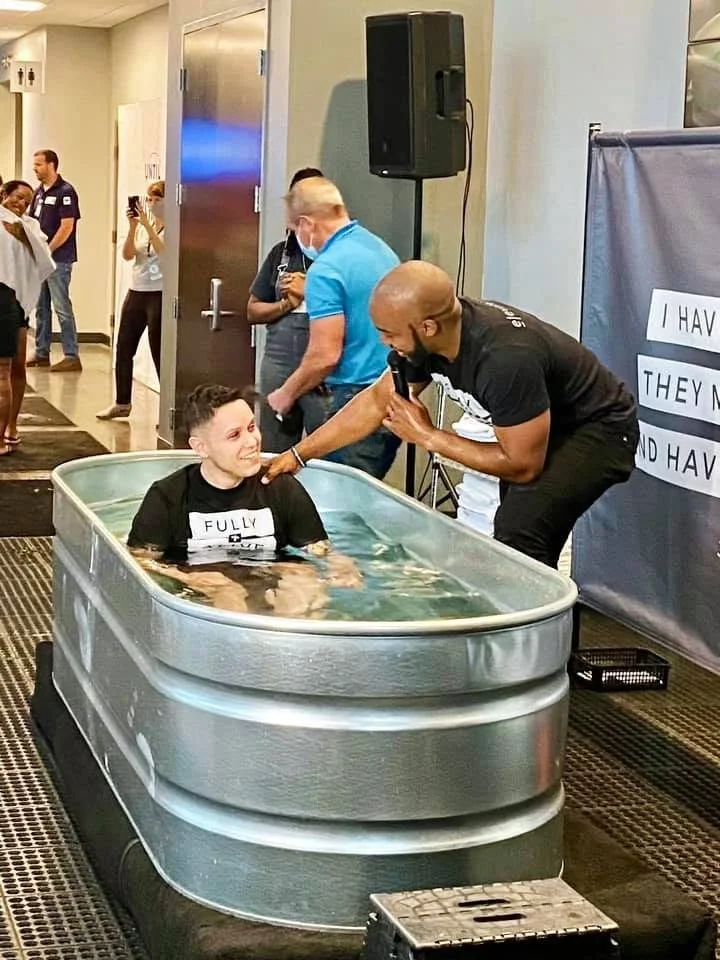
In April 2021, I was baptized at Elevate Life Church. I didn't step into the water because my life had finally become easy or because I'd worked through every part of my past. I did it as a public declaration that I had placed my faith in Jesus Christ. I needed a Savior, not another opportunity to prove I could succeed on my own.
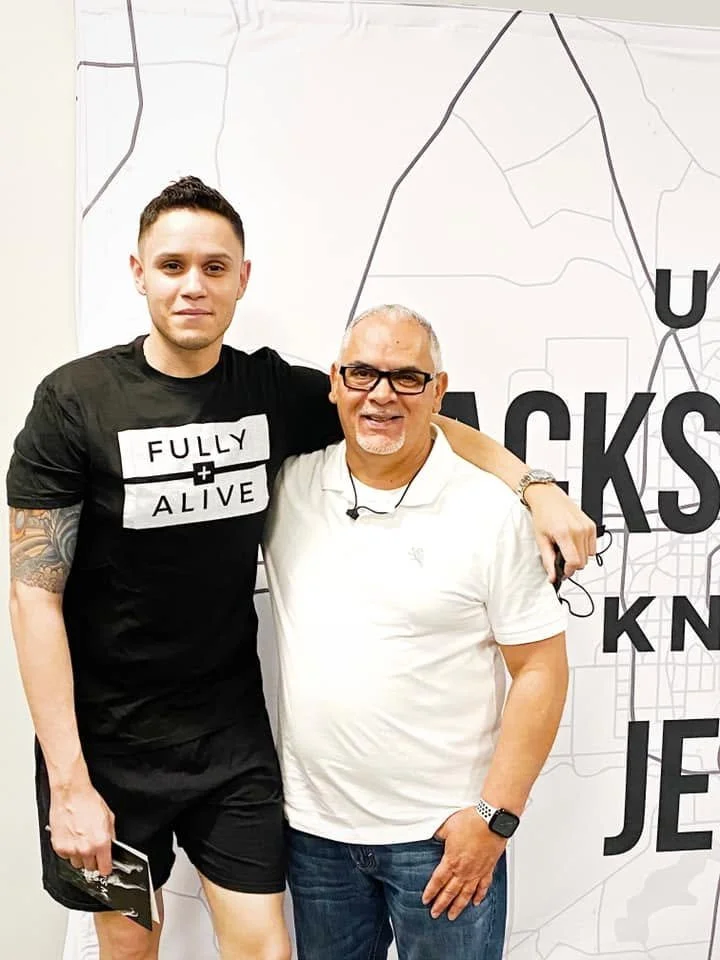
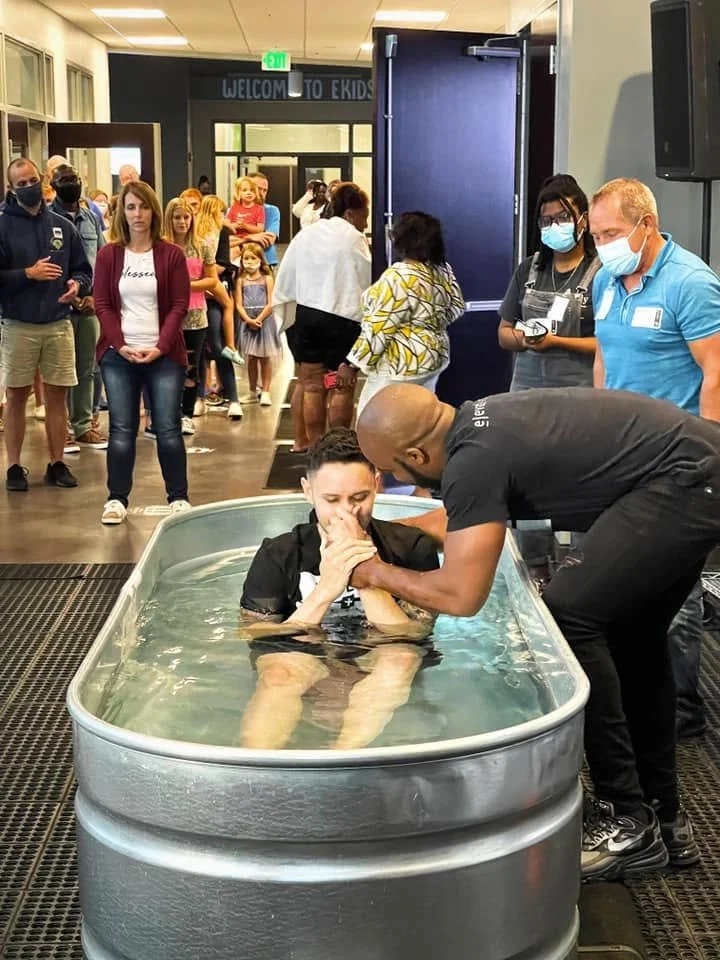
I'm not writing this as someone who has arrived at some extraordinary level of spiritual maturity. I still wrestle with pride. I still lose my patience, and occasionally my vocabulary sounds a little more Southside than Sunday school. But I'm learning to take responsibility faster, to ask for forgiveness, to show up for people, and to measure a meaningful life by something other than applause or income. The difference isn't that I no longer struggle. It's that I'm no longer building my identity around a version of myself that has to appear successful all the time.
I'm grateful for the work I've done and the opportunities I've had, but I don't want to spend the rest of my life worshiping the things I once worked so hard to obtain. I want to create boldly, love people well, live faithfully, and use whatever I've been given in service of something greater than myself. I don't do those things perfectly. But I know who I'm following, and I know why.
To the Person Who's Barely Holding It Together.
Maybe your life looks nothing like mine did. Maybe you aren't chasing success at all. Maybe you're trying to keep your job, pay your bills, get through a divorce, care for someone you love, or find a way to get out of bed and face another day. Maybe you've made decisions you're ashamed of, or maybe something happened to you that you never deserved. I don't know the weight you're carrying, and I won't pretend a few paragraphs on the internet can explain it away.
But I want you to hear this: your worst day does not have to become the final definition of your life. The fact that you don't know what comes next doesn't mean there is nothing worth living for. And needing help doesn't mean you've failed. I spent years believing strength meant being the person who had all the answers. Some of the most important changes in my life began when I finally admitted I didn't.
I'm not going to promise that following Jesus will restore a relationship, solve a financial problem, or make tomorrow easy. That isn't what Scripture promises, and it wouldn't be fair to tell you otherwise. Faith doesn't remove grief or excuse the harm we've caused. But the Christian hope is bigger than our circumstances. We believe in a Savior who entered suffering, carried our sin, conquered death, and offers forgiveness and new life. That's why the hope I found in Him is different from the temporary relief I used to chase.
If you don't know where to begin, you don't need to manufacture a perfect prayer. You can speak to God as you are, even if all you have are questions, anger, exhaustion, or a sentence as simple as the one I prayed. And please don't walk through your hardest days alone. Reach out to someone you trust. Let a friend, pastor, family member, or counselor know what's going on. Asking for help is not a contradiction of faith; sometimes it's one of the most courageous things you can do.
I can't tell you exactly how your story will unfold. I wouldn't have believed you if you'd shown me mine ahead of time. What I can tell you is that the man who once thought he had everything eventually discovered that he needed something he couldn't buy, earn, or achieve. And when I finally turned toward Jesus, I found grace I hadn't deserved and hope I hadn't been able to give myself.
“And God is able to make all grace abound to you, so that having all sufficiency in all things at all times, you may abound in every good work.”
2 Corinthians 9:8