
What Living in My Grandparents' Basement Taught Me About Starting Over
At 27, I moved into my grandparents' basement. I thought I was losing everything I'd worked for. What happened next changed the way I looked at failure, success, and starting over.
In late 2015, I found myself living in my grandparents' basement. I was 27 years old, going through a separation, and trying to figure out how to rebuild my photography business from what felt like absolutely nothing.
I'd spent years working toward a career I was proud of. I'd helped build a business, developed relationships with clients, and invested in the tools I needed to make a living as a photographer. When the relationship ended, I made the decision to walk away from the equipment rather than fight over material possessions. I wanted peace of mind and a clean slate. That decision came at a significant cost.
Suddenly, the future I'd been working toward didn't look anything like the future I was facing. I didn't have my own studio or the equipment I'd depended on. And I certainly didn't have a clear idea of how I was going to rebuild.
And if I'm being completely candid, I felt like a loser. I was embarrassed, frustrated, and wondering how I'd managed to take two steps forward and what felt like a dozen steps backward.
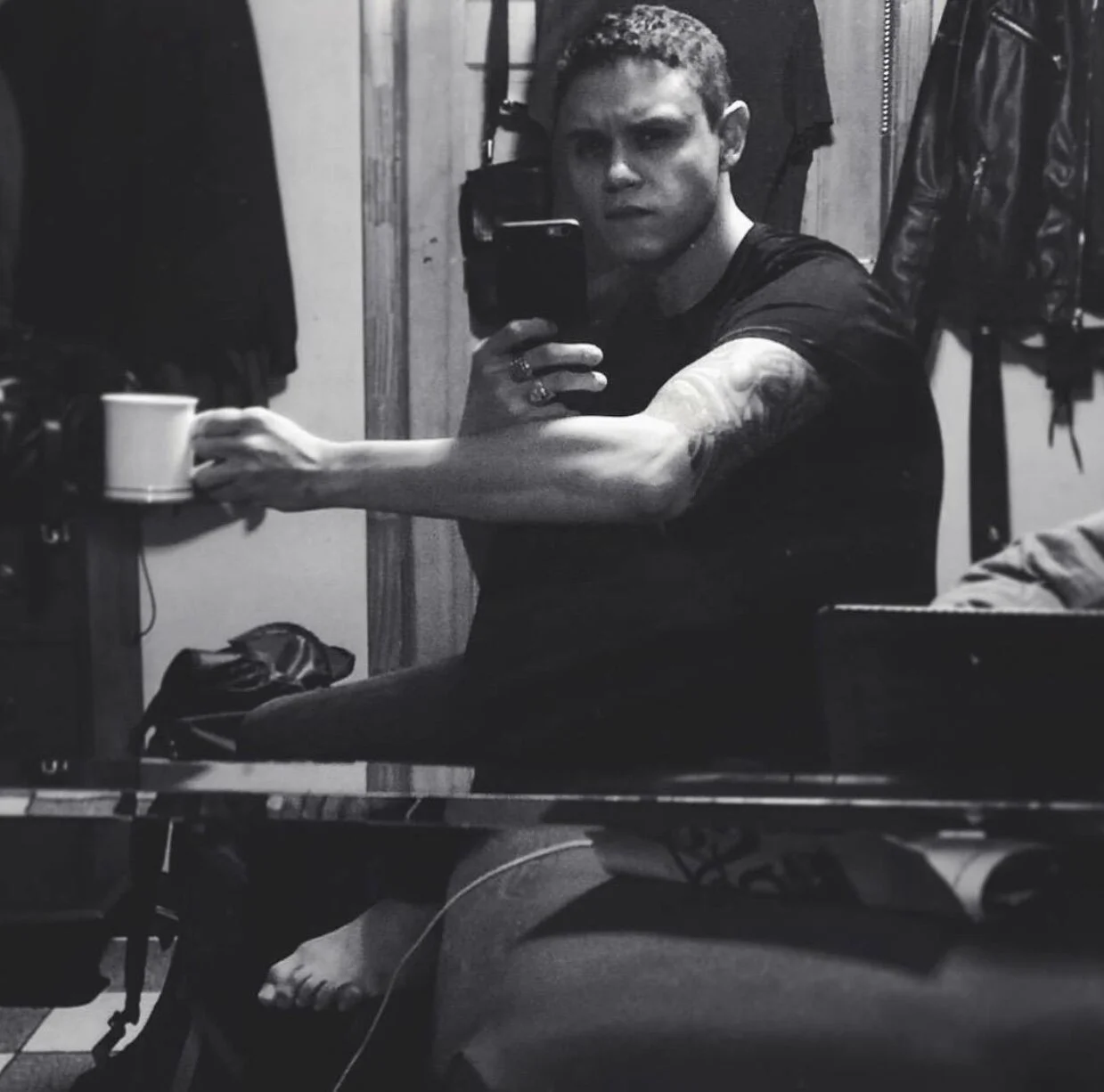
I'll never forget having to ask my grandfather if I could move into his basement while I figured things out. Asking for help wasn't easy. I had a lot of pride wrapped up in being independent, earning my own money, and believing I had my life under control.
But I was also incredibly fortunate. I had grandparents who loved me enough to open their home when I needed them. Not everyone has that kind of support, and I didn't fully appreciate how much it meant until I found myself depending on it.
Over the next two years, I worked my way back. I found clients, rebuilt my equipment, created new opportunities, and eventually returned to earning a six-figure income.
From the outside, that might sound like a comeback story about making money. But when I think about that period today, the income is hardly the first thing that comes to mind. What I remember most is the person I was becoming while I was trying to rebuild everything else.
There's No Shame in Asking for Help.
One of the hardest things about starting over was admitting that I couldn't do everything on my own. I had spent so much time trying to become successful and independent that asking for help felt like admitting defeat.
But here's what I learned: needing help doesn't make you weak. And accepting it doesn't make you a failure. Sometimes the strongest decision you can make is to put your pride aside, acknowledge where you are, and allow someone to help you get back on your feet.
My grandparents didn't rebuild my photography business for me. They gave me something just as valuable: a place where I could begin rebuilding it myself. And I'll always be grateful for that.
You Are More Than What You've Lost.
When I walked away from my photography equipment, I felt like I was walking away from my career. I had spent years collecting the tools necessary to build a business, and suddenly I was faced with the prospect of buying them all over again.
But the more I thought about it, the more I realized something important. I hadn't lost the years of experience I'd accumulated. I hadn't forgotten how to light a portrait, communicate with clients, or create photographs. And I certainly hadn't lost the ability to work hard.
I might have lost the equipment, but I hadn't lost the photographer.
Whatever you're going through, remember that your possessions, your job title, your bank account, and your circumstances aren't the sum of who you are. You've spent years developing skills, relationships, and experiences that don't simply disappear because life takes an unexpected turn.
Don't Forget How Far You've Already Come.
When you're struggling, it's incredibly easy to focus on everything that's going wrong. You begin measuring your life against where you thought you'd be, what other people have accomplished, or what you've recently lost.
I spent a lot of time doing exactly that. I was so focused on my circumstances that I'd forgotten all the obstacles I'd already overcome. I'd built relationships, learned a craft, worked with clients, and developed a business from the ground up. None of those accomplishments stopped being real because I was temporarily living in a basement.
If you're facing a setback, I want you to do something: take a moment and remember what you've already survived. Think about the problems you've solved, the things you've learned, and the challenges you once thought were impossible.
Give yourself credit for the progress you've made. Then use that experience to figure out your next move.
Give Yourself Something Worth Working Toward.
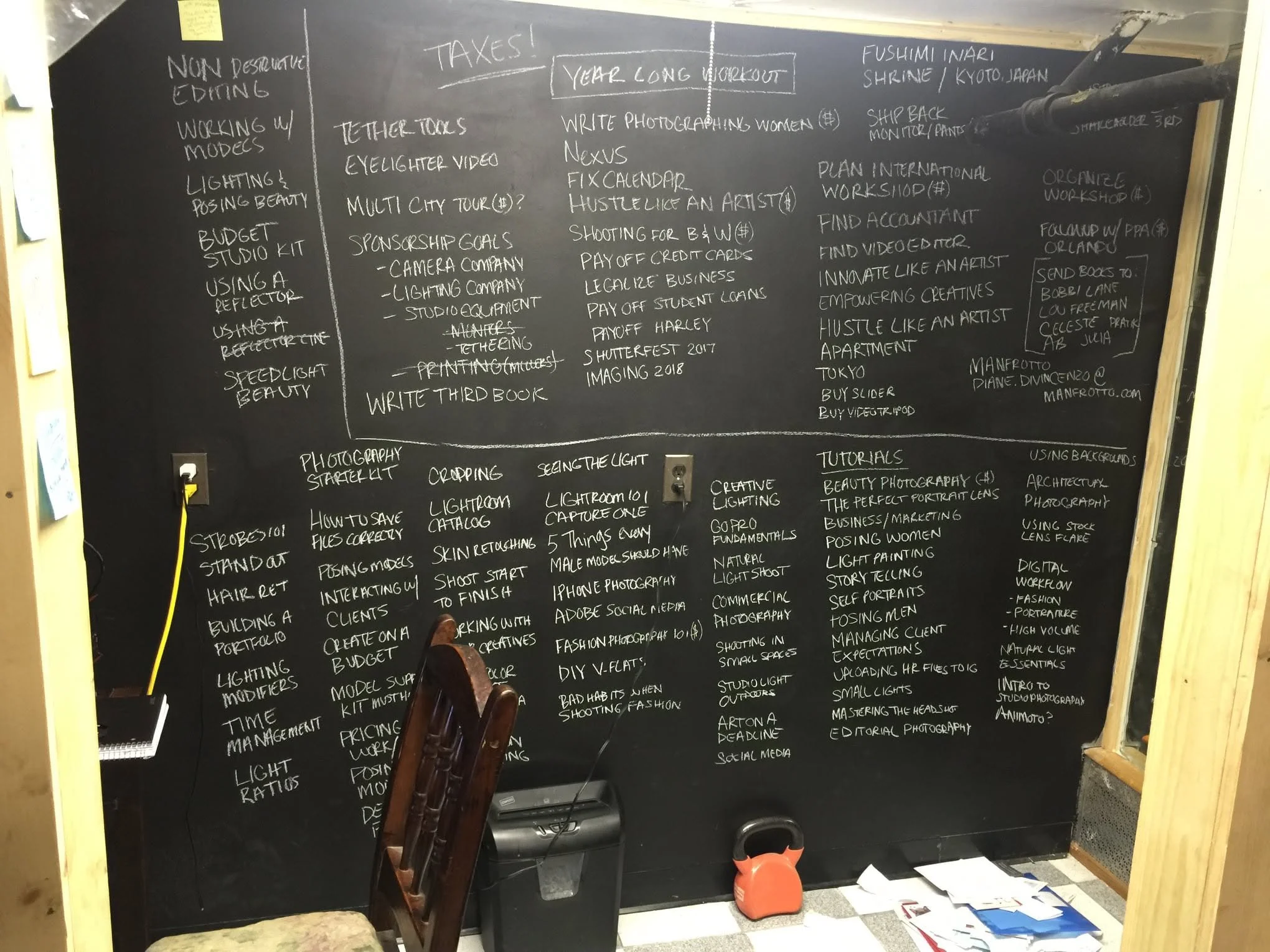
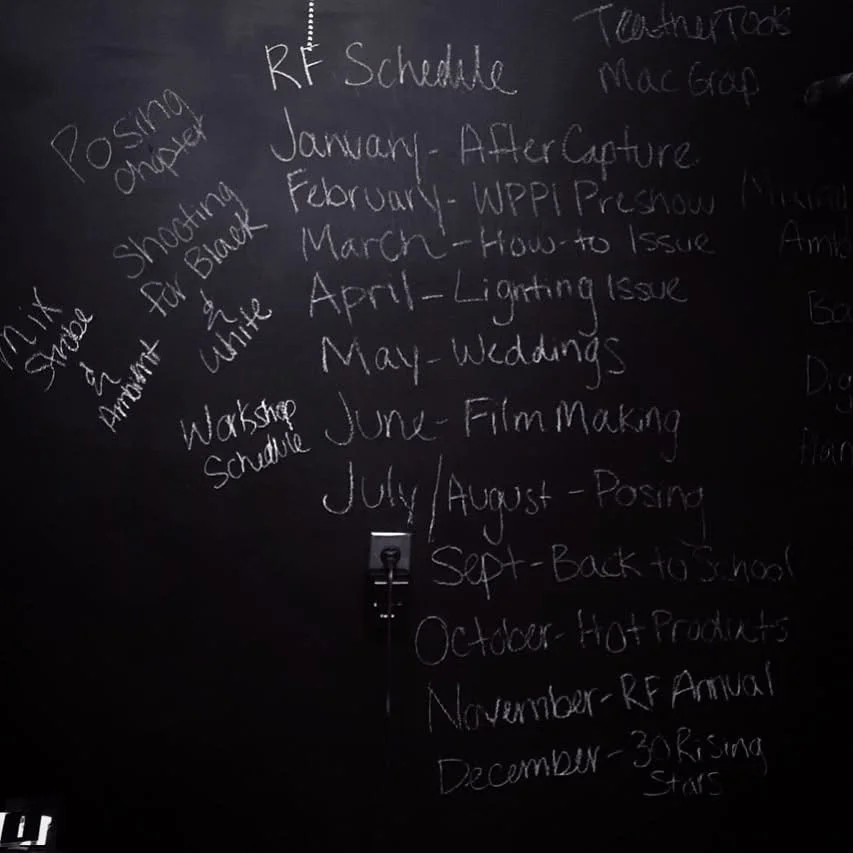
One of the first things I did in that basement was paint an entire wall with chalkboard paint. Then I started writing my goals on it. Every day, when I woke up, I had a visual reminder of what I wanted to accomplish.
Some were big goals, like writing another photography book, creating educational content, and developing new business opportunities. Others were more immediate, like paying off debt, booking work, and getting my finances back in order.
I wrote down the ideas, the projects, the people I needed to contact, and the work I wanted to create. It wasn't particularly organized, and it certainly wasn't pretty. But it gave me somewhere to put everything that was running through my head.
Now, writing your goals on a wall isn't going to accomplish them for you. That's the easy part. You still have to make the calls, take the meetings, improve your skills, and do the work when nobody's watching.
But if you don't know what you're working toward, it's awfully difficult to measure whether you're getting any closer.
Write down what you want. Break it into manageable steps. And make sure you're doing something today that moves you closer to it.
The Wall Where I Wrote Everything Down.
These are actual photographs of the chalkboard wall I used to organize my goals, projects, and plans. Looking at them now, I can see the things I was trying to accomplish and how much I wanted to make that next chapter work.
Play Angry. Just Don't Stay Angry.
When I was younger, I used to tell people to "play angry." And I'll admit, that's exactly how I approached rebuilding my career. I was frustrated by my circumstances, embarrassed by my situation, and determined to prove that I could make something of myself again.
I used that frustration to motivate me. When I didn't feel like getting up, I got up anyway. When things didn't work out, I found another opportunity. When I was told no, I kept looking for another way forward.
And there's something valuable about that kind of determination. Sometimes adversity gives you the push you need to stop making excuses and start taking action.
But I've learned there's a difference between using frustration as motivation and allowing anger to control your life. At some point, you have to stop trying to prove people wrong and start focusing on building something meaningful.
Let the difficult season motivate you to become better, not bitter.
Overnight Success Is Bullshit.
Everybody loves a great comeback story. We love hearing about the business owner who lost everything and built a successful company, or the artist who struggled for years before finally getting their big break.
But what we don't always see is everything that happens between those two moments.
We don't see the late nights, the clients who never call back, the opportunities that fall apart, or the days when you're wondering whether any of your work is actually getting you somewhere.
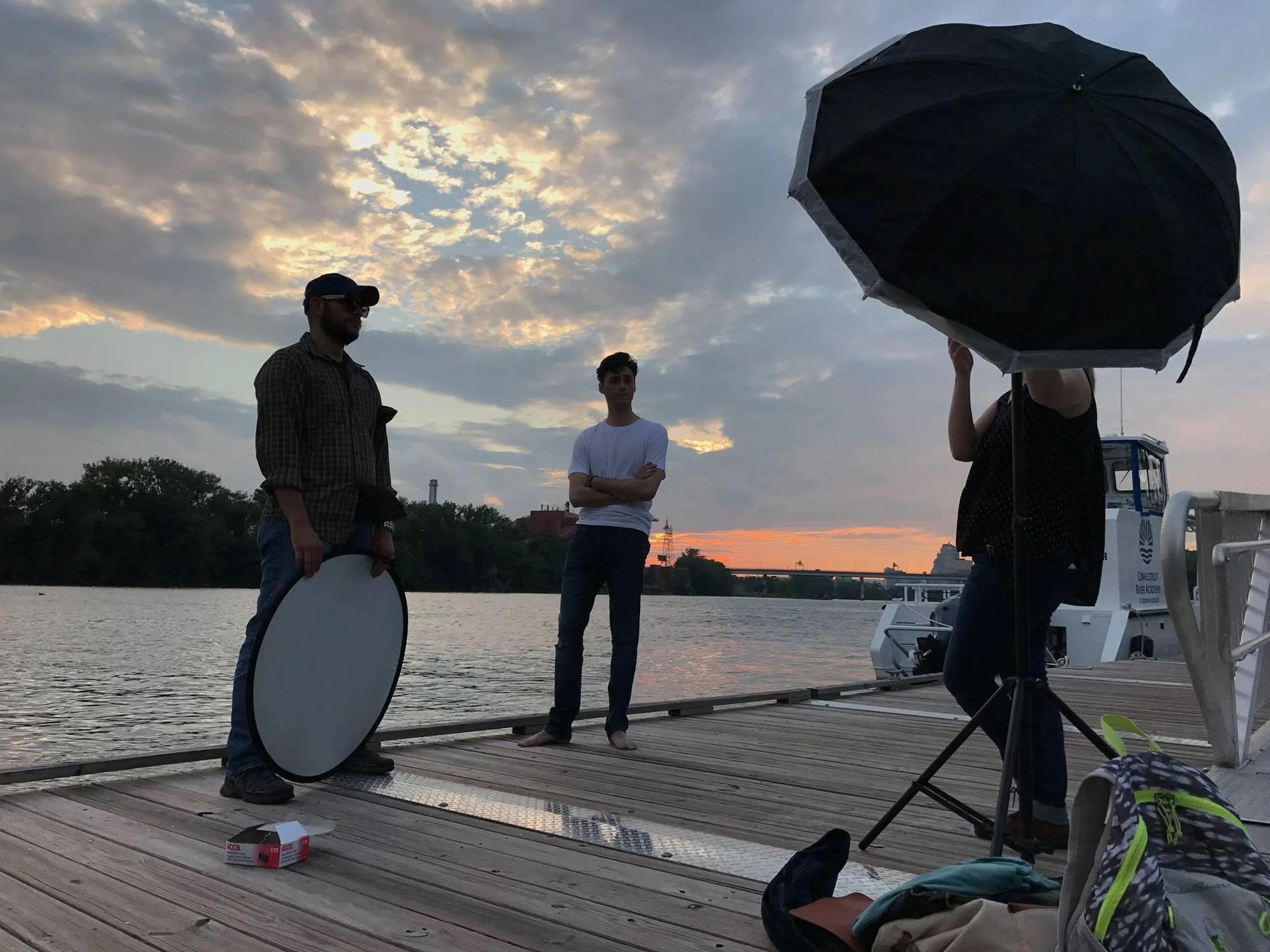
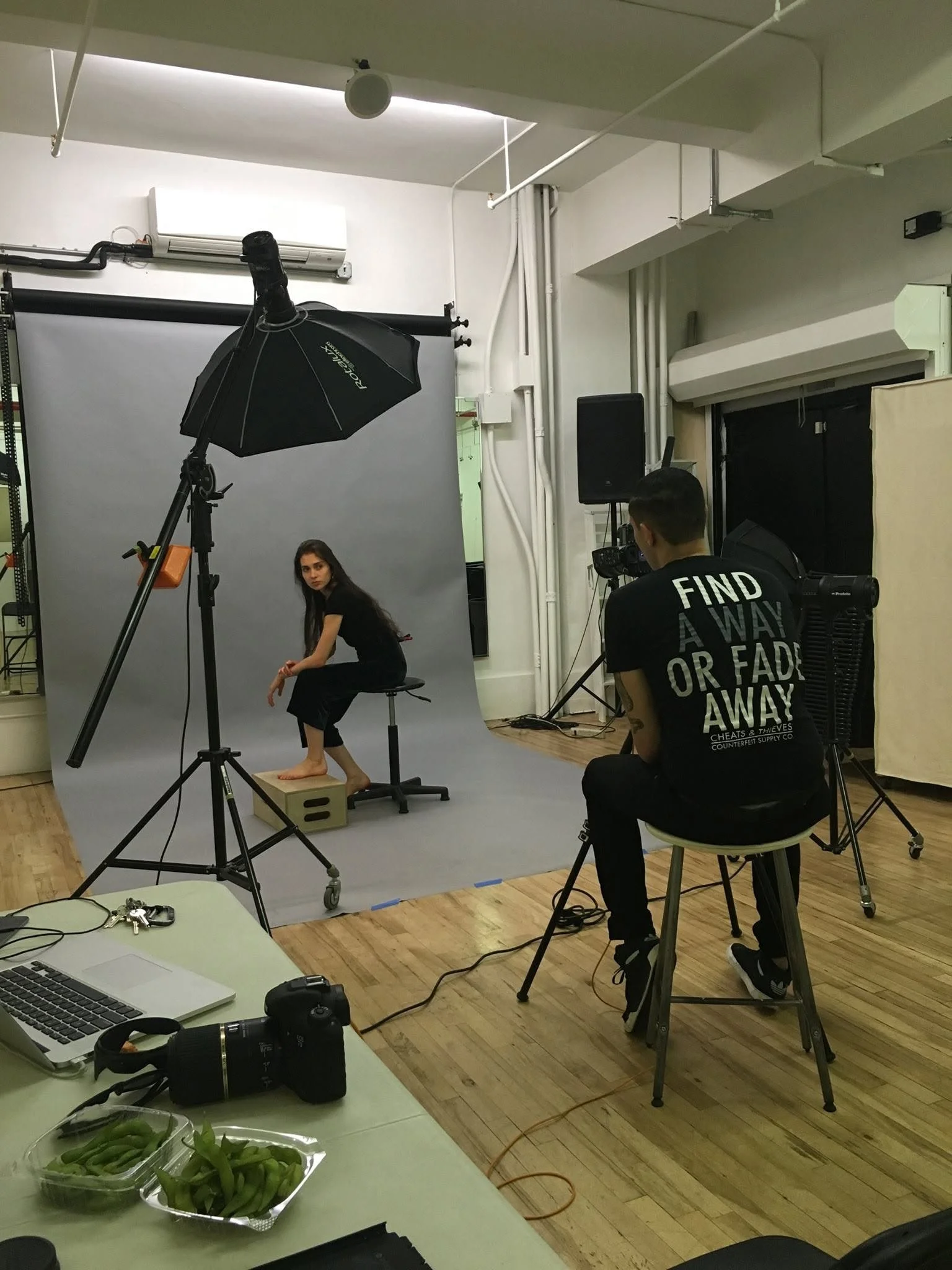
For me, rebuilding meant doing the work with whatever resources I could access. Sometimes that meant renting studio space by the hour instead of having a studio of my own. Sometimes it meant working on location, figuring out how to travel light, or making the most of equipment I could afford at the time.
It wasn't always convenient, but it allowed me to keep photographing people, meeting clients, and developing my work. Each project became an opportunity to earn, learn, and build toward the next one.
When I say it took me roughly two years to rebuild my business, I'm not suggesting that everybody can accomplish the same thing on the same timeline. I'm telling you that it took hundreds of decisions, countless hours of work, and a willingness to keep showing up even when the results weren't immediately apparent.
Don't underestimate the value of consistency. You might not see tremendous progress this week, this month, or even this year. But every skill you develop, every relationship you build, and every lesson you learn can become part of something much greater.
Keep doing the work. Especially when nobody's applauding.
Making the Most of What I Had.
These are the photographs that tell the part of the story people rarely see: working on location, renting studio space, setting up lights, and continuing to create when owning a fully equipped studio wasn't an option.
Earn Well. Save Wisely. Live Intentionally.
If there's one financial lesson I learned from that experience, it's how quickly your circumstances can change. You can be doing well one moment and facing an entirely different reality the next.
That's why I believe so strongly in saving money, living within your means, and being intentional about the commitments you make. A successful month doesn't mean every month will be successful. And earning more money doesn't automatically make you financially secure.
I'm grateful that I was able to rebuild my business and eventually earn six figures again. But I've also learned that the number on your tax return doesn't tell the whole story.
Build financial reserves. Avoid unnecessary expenses. Invest in things that actually help you grow. And remember that money is a resource, not a measurement of your worth.
There's nothing wrong with wanting to be financially successful. Just make sure you're building a life that matters beyond the money.
Surround Yourself with Great People.
I've always believed that the people you surround yourself with have an enormous influence on the person you become. That belief only grew stronger during the time I lived in my grandparents' basement.
I was fortunate enough to have people who encouraged me, challenged me, helped me find opportunities, and reminded me of what I was capable of when I was having trouble seeing it myself.
And when I say surround yourself with great people, I don't simply mean people who tell you what you want to hear. I'm talking about people who celebrate your accomplishments without feeling threatened by them. People who tell you the truth when you're making excuses. People who want to see you become the best version of yourself.
You don't need hundreds of those people in your life. A handful can make an incredible difference.
And when you're fortunate enough to have them, make sure you're that kind of person for someone else.
The Opportunities Started Coming Back.
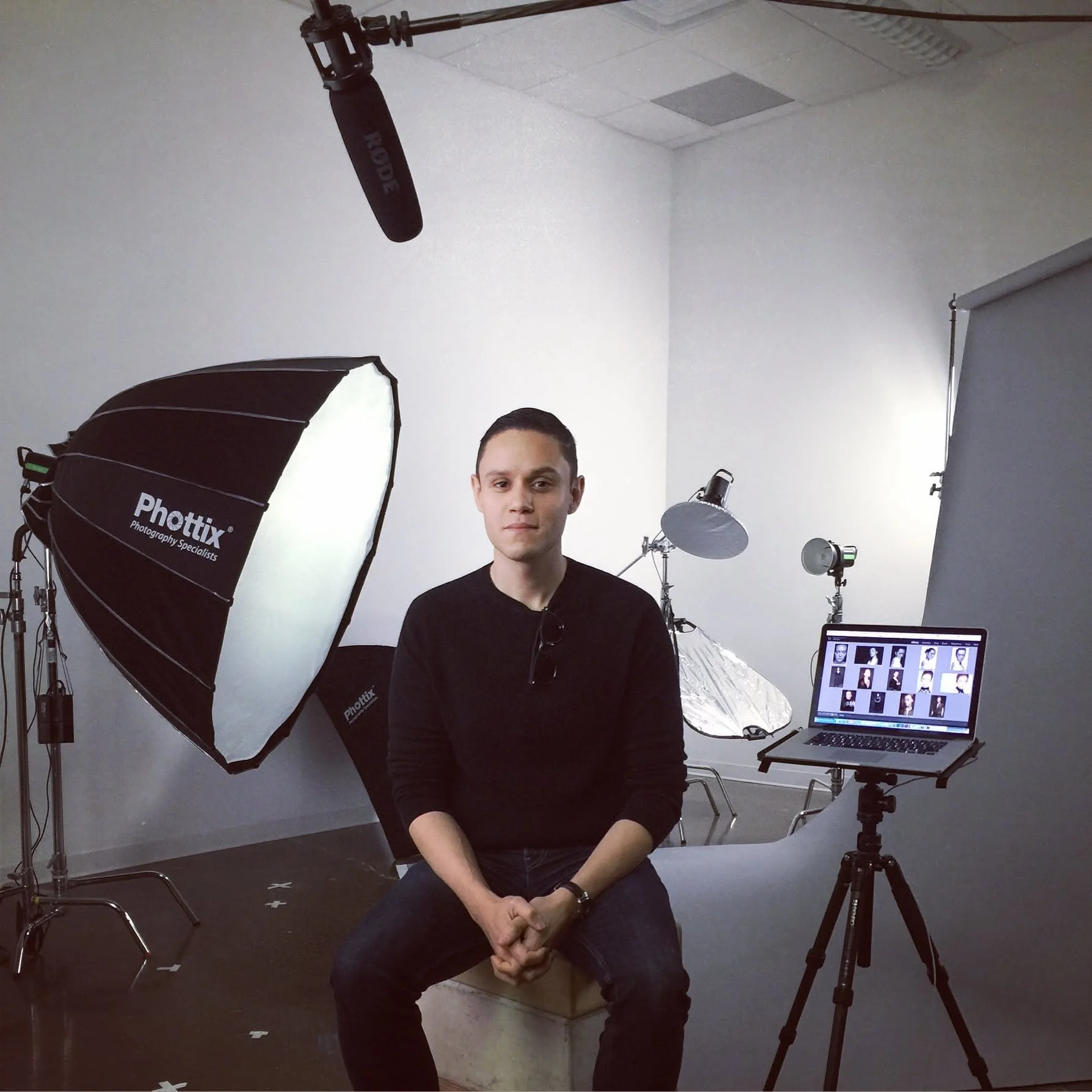
Over time, the work began to open new doors. I was rebuilding relationships, taking on assignments, and finding opportunities to collaborate with brands.
I still didn't need everything to be perfect. I could rent the space I needed, make the photographs, and keep moving.
That's something worth remembering when you're starting over. You don't have to rebuild everything at once. Sometimes one opportunity leads to another, and the progress becomes easier to recognize only when you look back.
Your Current Circumstances Aren't Your Final Destination.
Of all the things I learned living in that basement, this might be the most important.
When you're in the middle of a difficult season, it's easy to believe that the way things are today is the way they'll always be. You become so focused on what's happening around you that you lose sight of everything that's still possible.
I know that feeling because I lived it. There were plenty of days when I struggled to imagine what my life would look like beyond that basement.
But my circumstances changed. Not overnight, and certainly not without effort. They changed gradually as I made decisions, pursued opportunities, accepted help, and kept moving forward.
I can't promise that every difficult situation will resolve itself the way you want it to. Life doesn't work that way. But I can encourage you not to surrender your future simply because your present looks different from what you imagined.
You don't need to have the next five years figured out today. Sometimes you just need to figure out the next right step.
Then take it.
This Is Only a Chapter. Not Your Whole Story.
When I look back at that period of my life, I'm grateful. Not because I enjoyed being embarrassed, losing my footing, or having to rebuild my career. I didn't. Those were some incredibly difficult years.
I'm grateful because of what I learned, the people who stood beside me, and the perspective that came from having to start over.
My faith has also changed the way I understand that experience. I don't believe that God promises us wealth, comfort, or a painless life. But I do believe there's a great deal to be learned about humility, gratitude, perseverance, and stewardship when the things we've depended on are no longer there.
I eventually moved out of that basement. I rebuilt my business, replaced the equipment, and earned a comfortable living again. But the lesson that stayed with me wasn't how quickly I could make money. It was how much of my life still had value when I didn't have much money at all.
To my grandparents, and to everyone who helped me during that season, thank you. Your generosity, encouragement, and belief in me meant more than you probably realized.
And to anyone who's facing their own difficult season, I hope you remember this: where you are right now doesn't have to determine where you go next. Ask for help when you need it. Learn what you can. Set a goal. Do the work. And don't allow one difficult chapter to convince you that the rest of your story has already been written.
You've still got a life to live. Make it count.